
Profiles, supports and access hatches
Profiles and support systems in dry construction mainly refer to metal or plastic profiles (studs, tracks) and the associated fittings (suspensions, connectors, plugs) that form the framework for supporting dry construction panels, such as plasterboard. These materials contribute to the stability, strength, sound insulation and fire protection of the structure, whilst the profiles may be metallic for general applications or plastic for use with cement boards or external wall insulation. Dry construction access hatches are structures, usually made of aluminium and plasterboard, which create a concealed opening in walls or ceilings of dry construction to allow easy access to electrical, mechanical and plumbing installations. It is a comprehensive and reliable system that allows for the repair or maintenance of concealed installations without the need to damage the surface, providing an aesthetically flawless result thanks to the concealed opening mechanism.
Subcategories (3)

Metal profiles for dry construction
Metal dry-construction profiles are galvanised steel components used in the construction of walls, ceilings and other st...
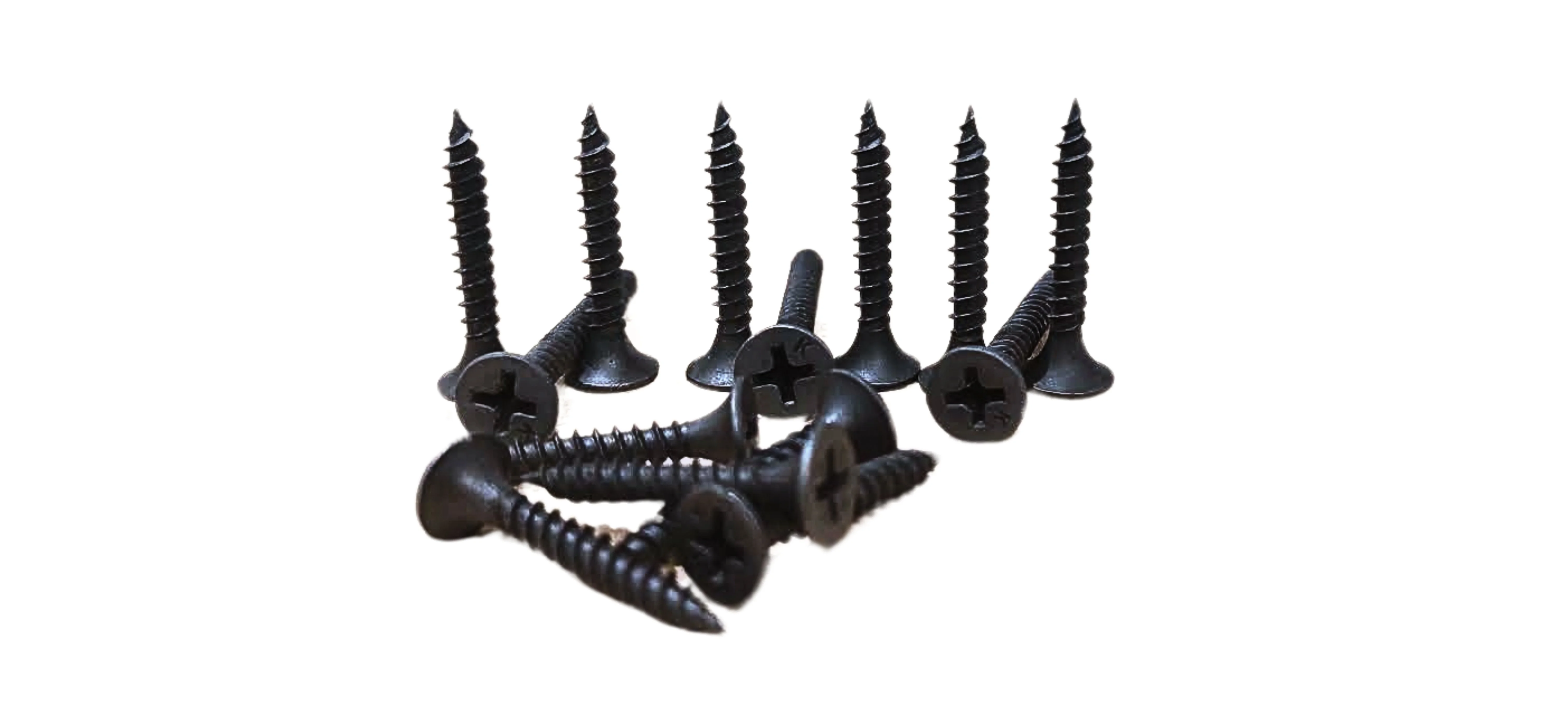
Dry construction fixings, screws and accessories
The components that hold the framework in place. From the hangers and connectors that support suspended ceilings, to plu...
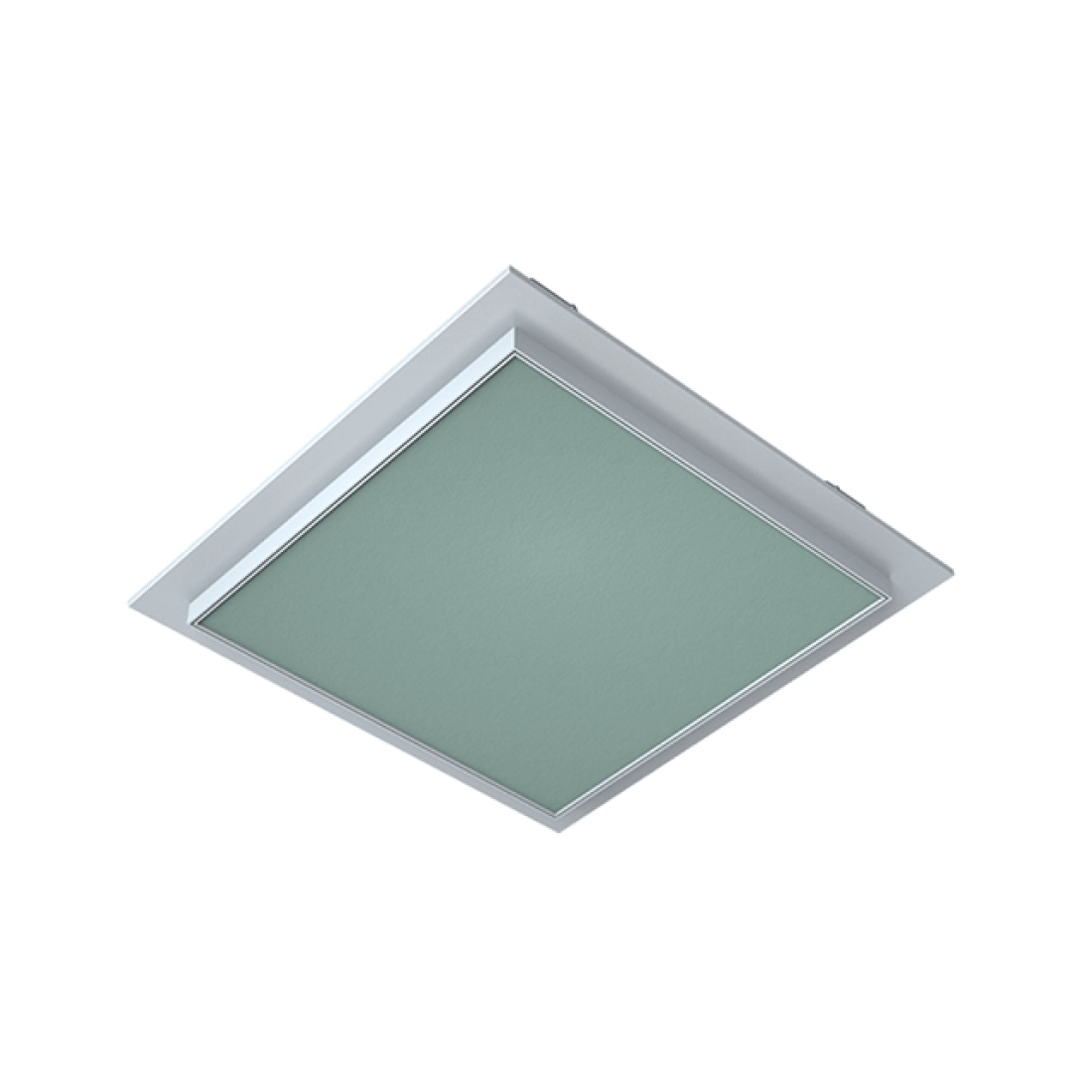
Access hatches
Dry construction access hatches are structures, usually made of aluminium and plasterboard, which create a concealed ope...
Solutions by Application
Technical solutions that use materials from this category.
- Metal profiles for dry constructionCLEANEO® AKUSTIK perforated plasterboard: sound absorption in a single, curved ceilingView the solution
- Dry construction fixings, screws and accessoriesEI90 fire-rated partition using dry constructionView the solution
- Profiles, supports and access hatchesFire Protection for Public Assembly Spaces: Bars, Restaurants, HallsView the solution
- Metal profiles for dry constructionWhich screw should I choose for dry construction?View the solution