
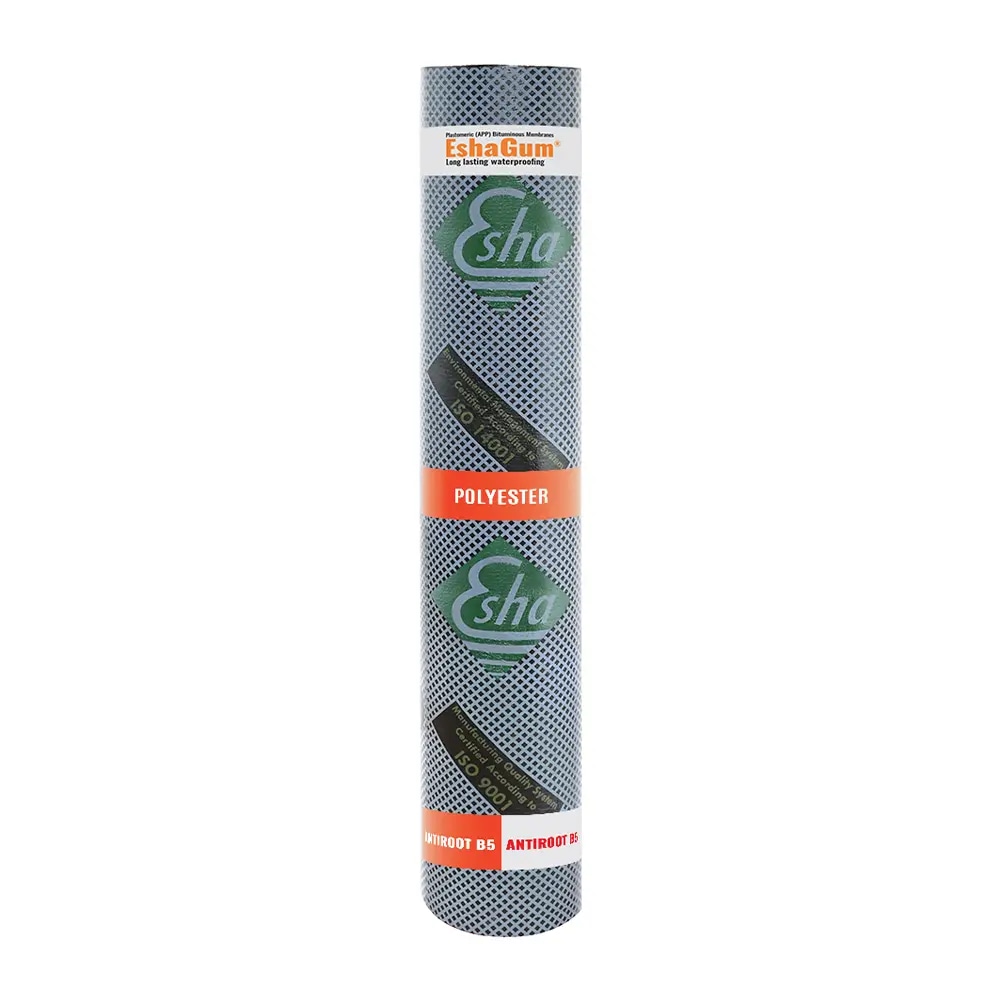
ESHAGUM ANTIROOT B5 -10°C | Bituminous root-resistant membrane
Specialised bituminous membranesDescription
A polymer-modified bituminous membrane with strong root-resistant properties, part of ESHA’s EshaOxygen green roof system. The root-resistant properties are achieved by adding and uniformly dispersing the root-resistant additive Preventol® B5 into the mass of the modified bituminous binder. Once bonded to the substrate, it creates a continuous root-barrier that prevents roots from growing into the mixture and remains active & stable throughout the entire service life of the waterproofing system, even at very high or low temperatures. It is produced from special types of bitumen based on atactic polypropylene (APP), a composition that enables it to withstand extremely high temperatures (softening point ≥148°C, resistance up to 130°C) and intense solar radiation, whilst retaining flexibility at -10°C. Its root-barrier performance is verified by the Lupine Test (DIN 4062 / UNE 53420): no root penetration after 8 weeks.
The ARGYNET View: The APP version of anti-root protection. On a green roof, the membrane is simultaneously subjected to solar load and mechanical pressure from the planting substrate —
Overview
Key Features
Root barrier protection
- Preventol® B5 uniformly dispersed throughout the mass — effective throughout the entire thickness, not just on the surface
- Continuous root barrier from the moment of application
- Lupine Test (DIN 4062 / UNE 53420): no root penetration after 8 weeks
- Remains active and stable throughout the system’s service life
- Root barrier protection and complete waterproofing in a single material (no separate root barrier)
Resistance to weather and thermal conditions
- Softening point ≥148°C (EN 1427) — top of the range
- Excellent resistance to high temperatures up to 130°C (EN 1110)
- Flexibility at low temperatures down to -10°C (EN 1109)
- Wide range of application and operating temperatures
- Increased resistance to ageing
- Good performance in corrosive environments: acids, inorganic salts, gases, pollution, ozone
Mechanical properties
- Tensile strength 550/420 N/50 mm (polyester + glass fibres) or 900/650 N/50 mm (Spun Bond SP)
- Elongation at break 40/55 per cent to 50/60 per cent
- Tear strength 300/400 to 350/450 N (ASTM D4073-94)
- Static puncture resistance, Class L3 (15–25 kg) — resistance to the weight of the planting substrate
- Dynamic puncture resistance, Class I3 (Φ8)
- Dimensional stability: -0.2/+0.1 per cent to -0.4/+0.3 per cent
- Excellent adhesion to any substrate
Reinforcements — 2 high-specification options
- Polyester fabric with embedded glass fibres — maximum stability during heat-sealing (prevents ‘banana’ effect)
- Spunbond polyester (SP) — increased resistance to cracking, puncture, shear and tensile stress
Where it is used
Technical solutions where this material is used.
Related Products
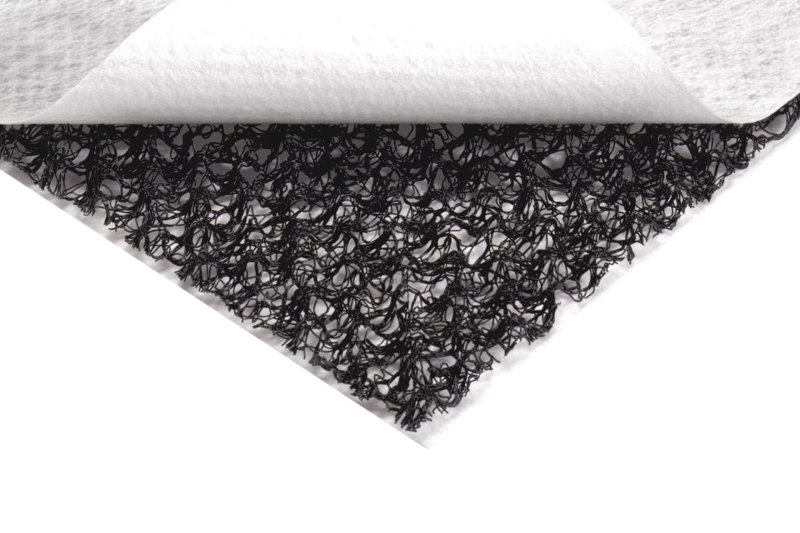
QDRAIN C20 65 10F | 20 mm drainage geosynthetic
Category: Drainage
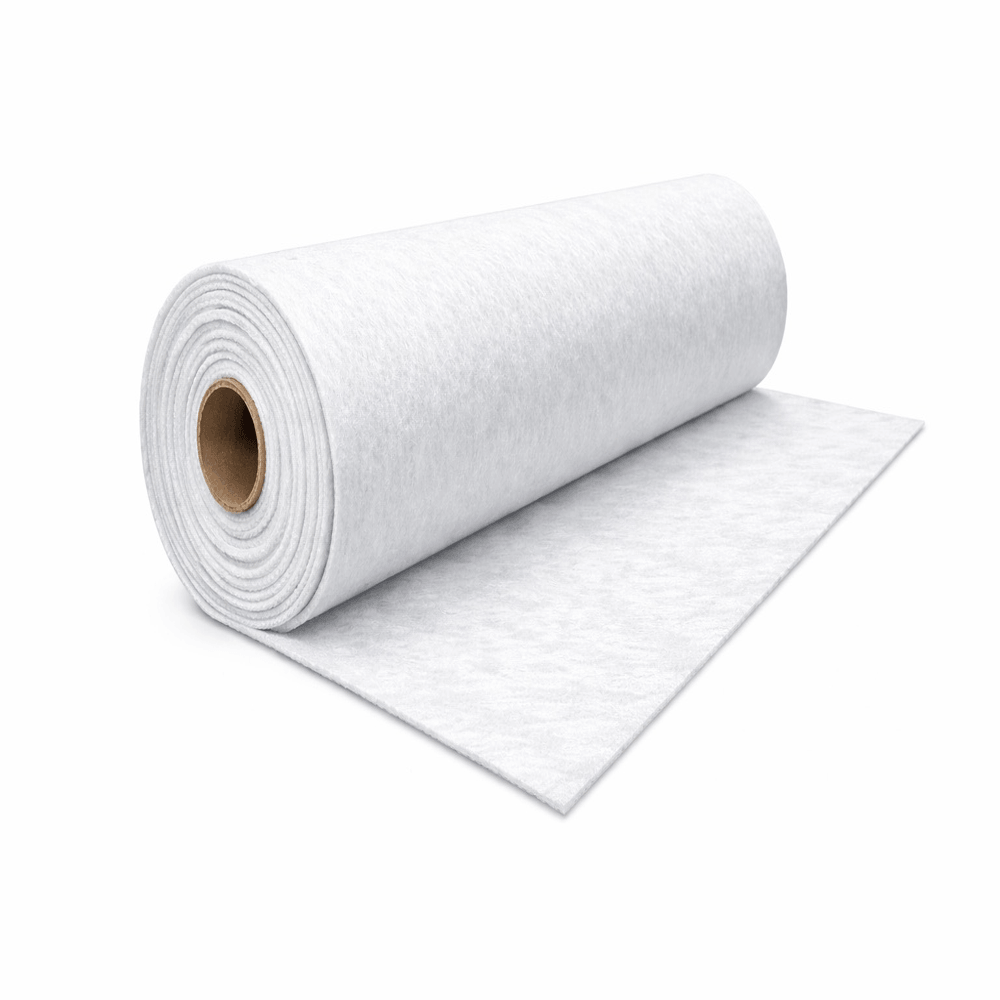
ESHA-DTF | Non-woven Polyester Fibre Geotextile
Category: Geotextiles
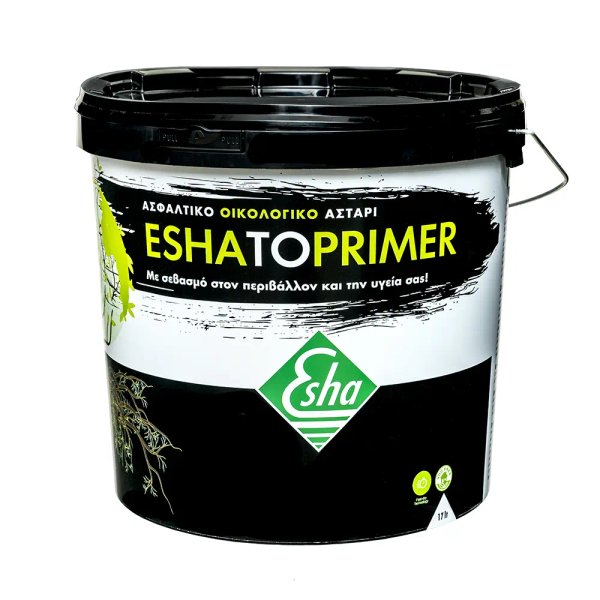
ESHATOPRIMER | Adhesive primer for bituminous membranes
Category: Liquid-applied bituminous coatings
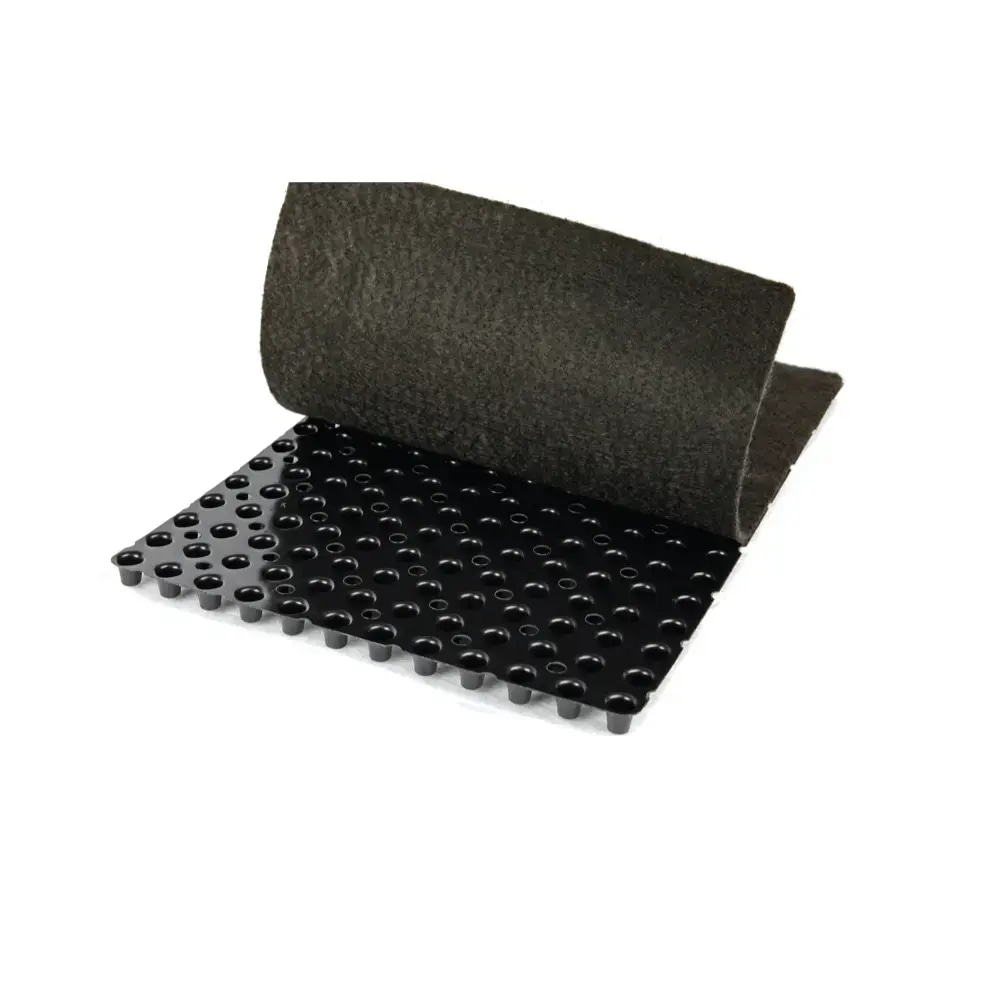
Nophadrain ND 4+1h | HIPS Composite Dimpled Drainage Membrane
Category: Drainage