
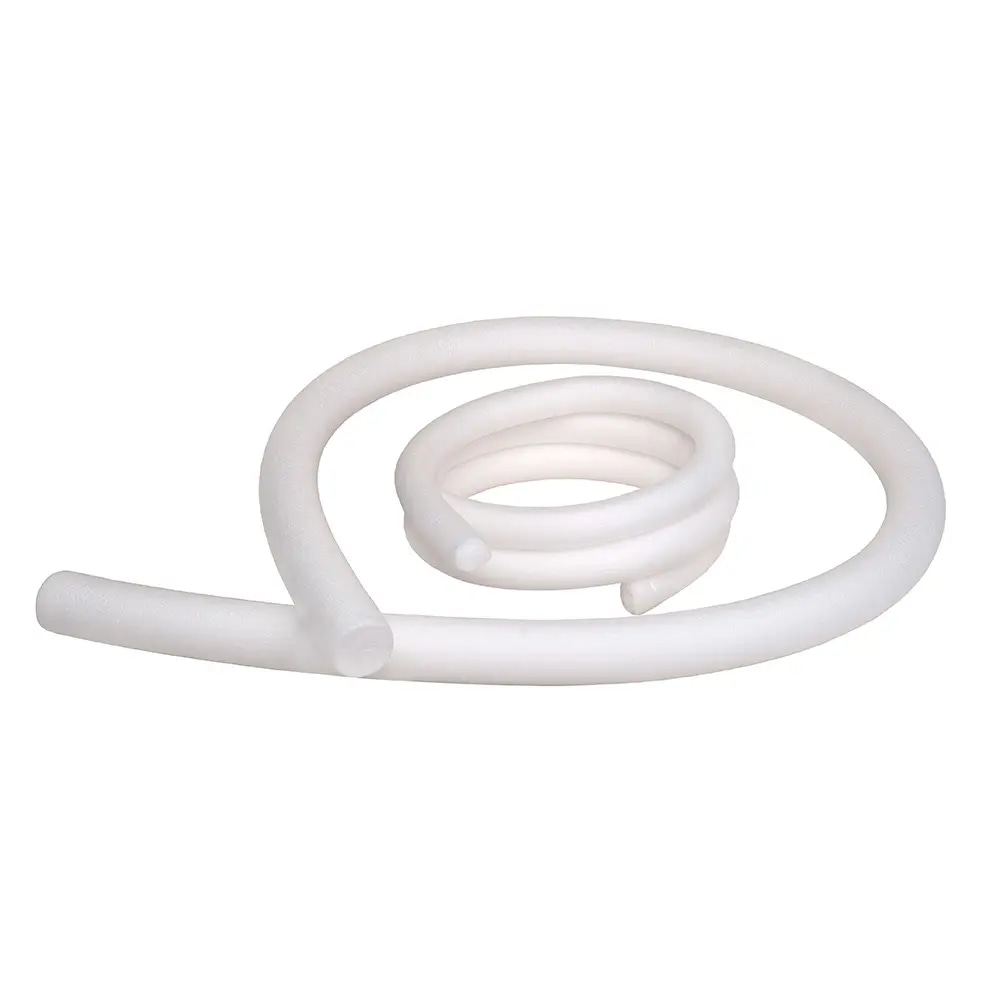
Joint Filling Cords | Closed-cell expanded polyethylene
Joint sealing and waterstopsDescription
Joint-filling cords are made from closed-cell expanded polyethylene and are installed within the joint prior to the application of the sealing material. Once installed, they create a flexible base that controls the depth and shape of the joint, determining the cross-section of the sealant. They have a density of 24 kg/m³, an elongation at break of 65% in the direction of extrusion and water absorption of less than 0.045% by volume after 24 hours’ immersion — the closed-cell structure prevents water from passing through. They operate from -40°C to +100°C, are CFC- and HCFC-free, and are available in nine cross-sections, from Φ6 to Φ50 mm.
The ARGYNET View:
The cheapest material in the joint determines the fate of the most expensive one. Without a cord, the sealant adheres to the bottom of the joint as well — it is bonded on three sides instead of two, cannot deform freely and tears during the first contraction cycle. The ESHA technical data sheet itself shows four sealing cross-sections, ranging from POOR to EXCELLENT, and the difference between them lies precisely in the presence and position of the cord.
Overview
Key Features
Structure & water absorption
- Closed-cell expanded polyethylene
- Water absorption ≤ 0.045 per cent by volume after 24-hour immersion
- Density 24 kg/m³, variation in thickness and density ± 6 per cent
Mechanical properties
- Tensile strength 0.318 N/mm² in the direction of extrusion
- Elongation at break 65% — compresses during installation and remains in place
- Elastic backing that controls sealing depth and shape
Thermal & environmental
- Operating temperature range: -40°C to +100°C
- Thermal conductivity λ 0.045 W/mK
- Reaction to fire: Class B2
- CFC- and HCFC-free
Where it is used
Technical solutions where this material is used.
Related Products
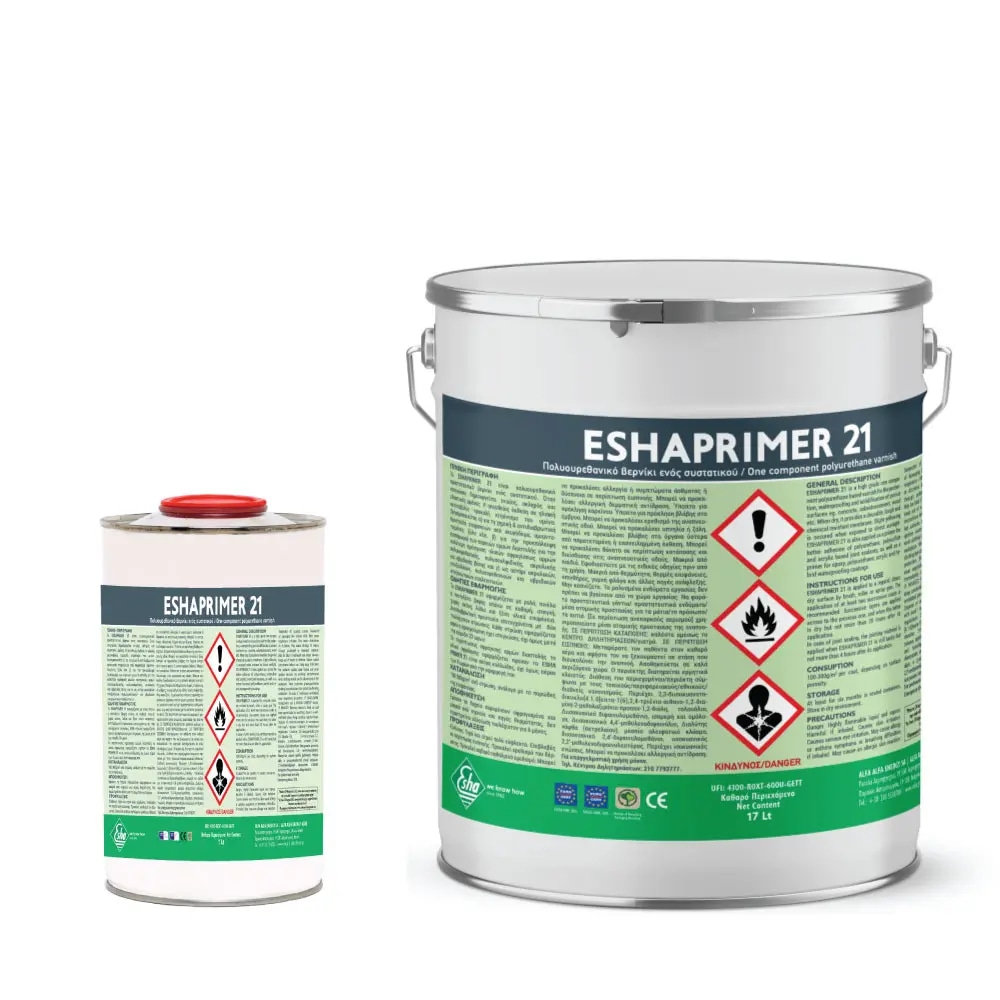
ESHAPRIMER 21 | Single-component polyurethane primer
Category: Joint sealing and waterstops
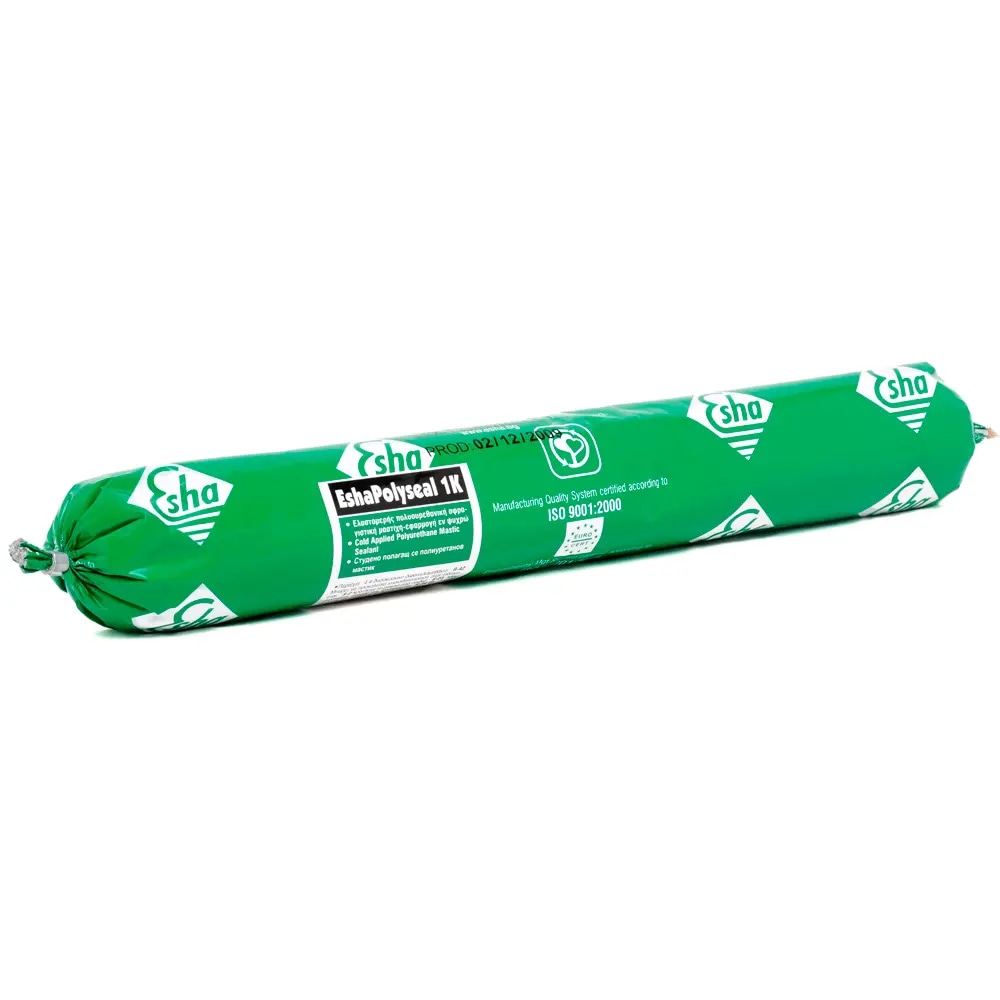
ESHAPOLYSEAL 1K | Elastomeric polyurethane joint sealant
Category: Joint sealing and waterstops
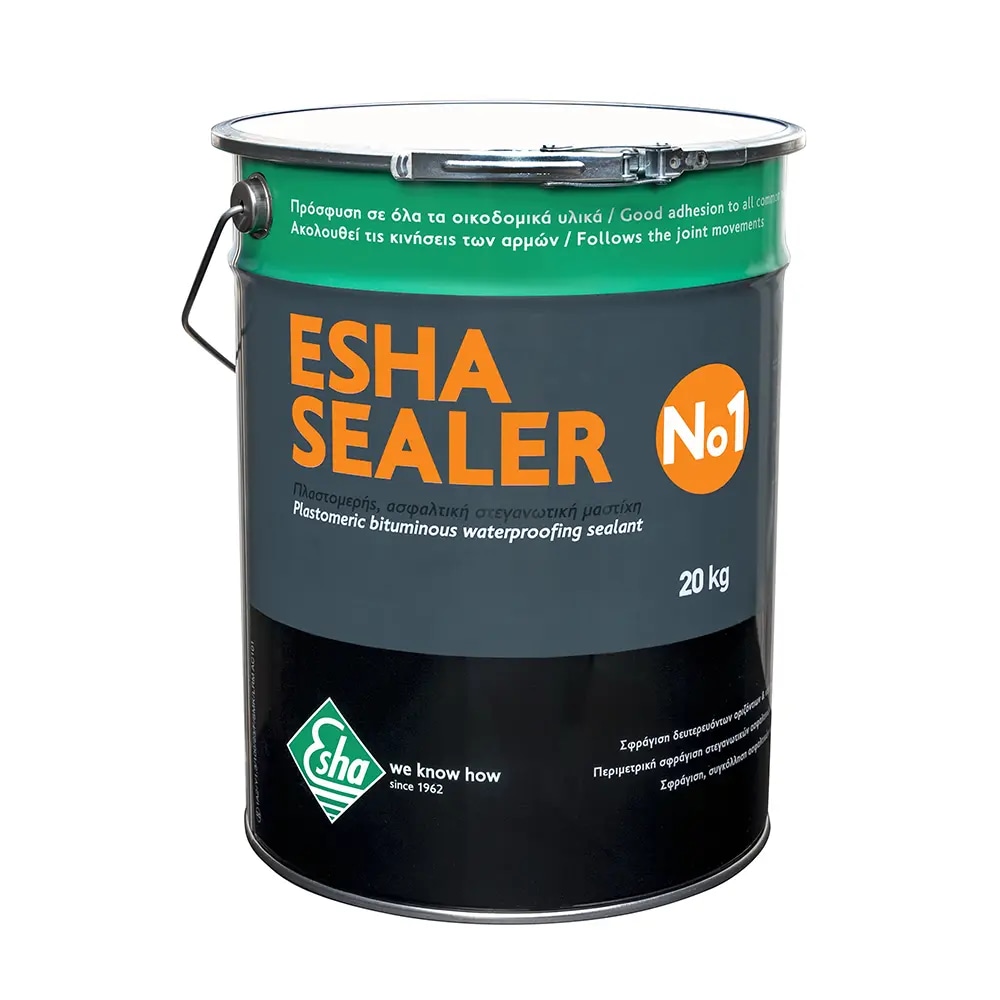
ESHASEALER No1 | Asphalt joint sealant
Category: Joint sealing and waterstops
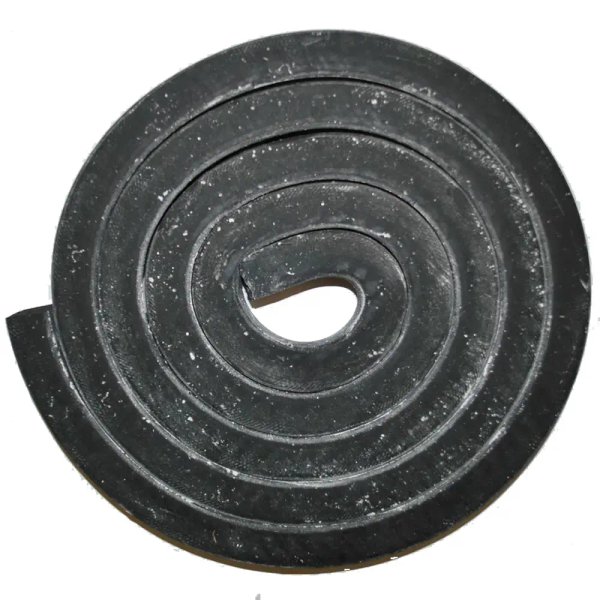
ESHAHYDROBENT | Water-swelling bentonite cord - waterstop
Category: Joint sealing and waterstops