
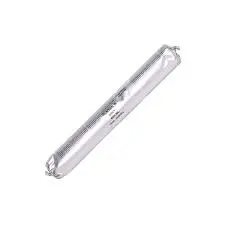
TECNOSEAL 96 | Polyurethane Joint Sealing Compound
Joint sealing and waterstopsDescription
TECNOSEAL 96 is a single-component, thixotropic, polyurethane joint sealant, ready for use, which cures on contact with ambient moisture. Manufactured by the Italian company TECNOCHEM, it is distributed in Greece by SINTECNO. It has a specific gravity of 1.25 kg/l and a solids content by volume of 95 per cent — meaning virtually zero shrinkage during curing, the main cause of failure in cheap sealants. The joint movement absorption capacity is ≥25 per cent, with a Shore A hardness of 30 ± 5, a tensile strength of 1.1 N/mm² and a modulus of elasticity of 0.35 N/mm² at 100 per cent elongation. It operates from -30°C to +75°C and is applied from +5°C to +35°C. It is available in light grey and white, in 600 ml tubes.
The ARGYNET View:
The selling point here isn’t the figures — it’s the fact that no primer is required. TECNOSEAL 96 is applied directly to most substrates; the only exception is uneven concrete, where it must be preceded by TECNOFIX CI, with a waiting time of 12–24 hours. By comparison, ESHAPOLYSEAL 1K must be used in conjunction with ESHAPRIMER 21. For a contractor crew sealing window reveals in a block of flats, this means one less job per floor.
Overview
Key Features
Elastic behaviour
- Joint movement capacity ≥ 25 per cent
- Shore A hardness 30 ± 5
- Material strength 1.1 N/mm²
- Modulus of elasticity 0.35 N/mm² at 100 per cent elongation
- High resistance to cracking
Stability & curing
- Solid content by volume 95% — minimal shrinkage
- Rapid curing at ambient temperature
- Dust-dry in 120 minutes (+20°C, 65% RH)
- Does not sag or form hairline cracks
Application
- Thixotropic — can be applied in thick layers even on vertical surfaces
- Can be applied without a primer on most substrates
- Applied using a manual or pneumatic spray gun
- Ideally suited as a paint primer
Durability
- Resistant to UV, ageing, temperature fluctuations and atmospheric agents
- Good resistance to contact with solvents and aggressive chemicals
- Operating temperature range: -30°C to +75°C
Substrates
- Concrete, stone, timber, steel, aluminium, zinc, copper, enamelled surfaces
Where it is used
Technical solutions where this material is used.
Related Products
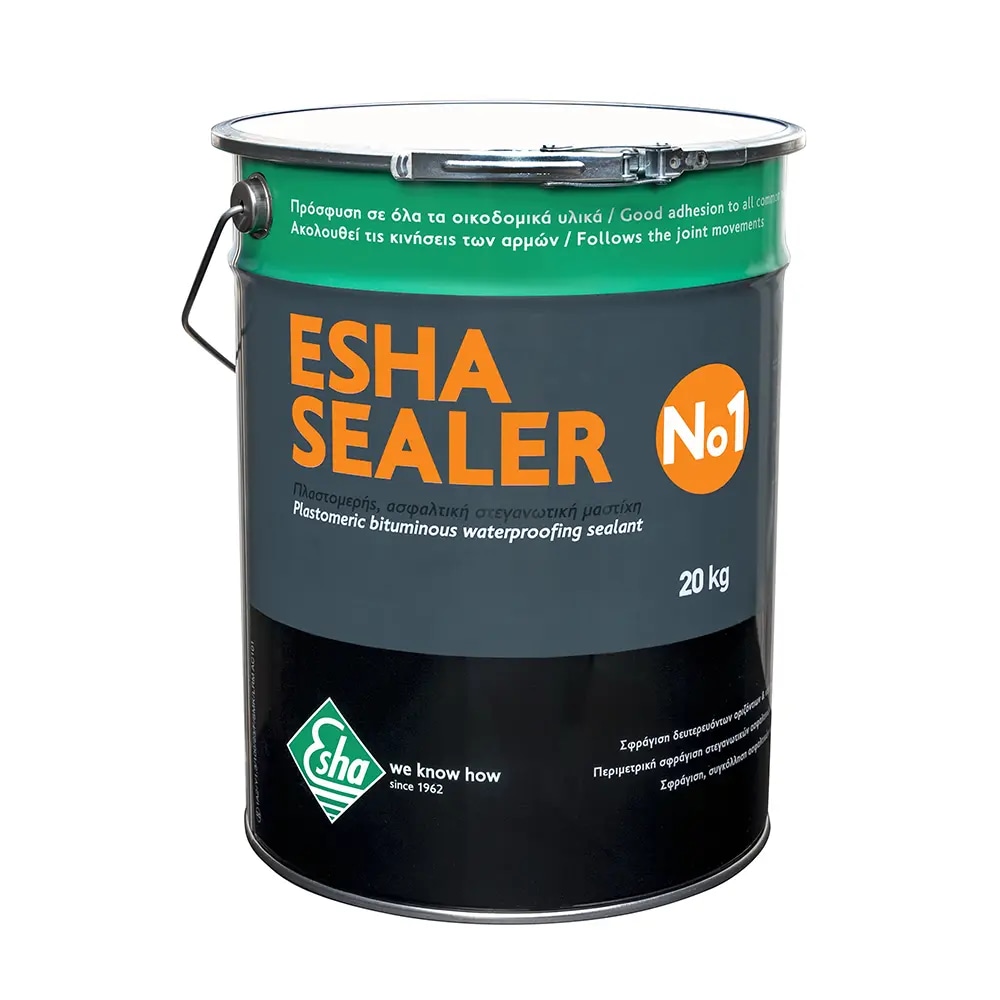
ESHASEALER No1 | Asphalt joint sealant
Category: Joint sealing and waterstops
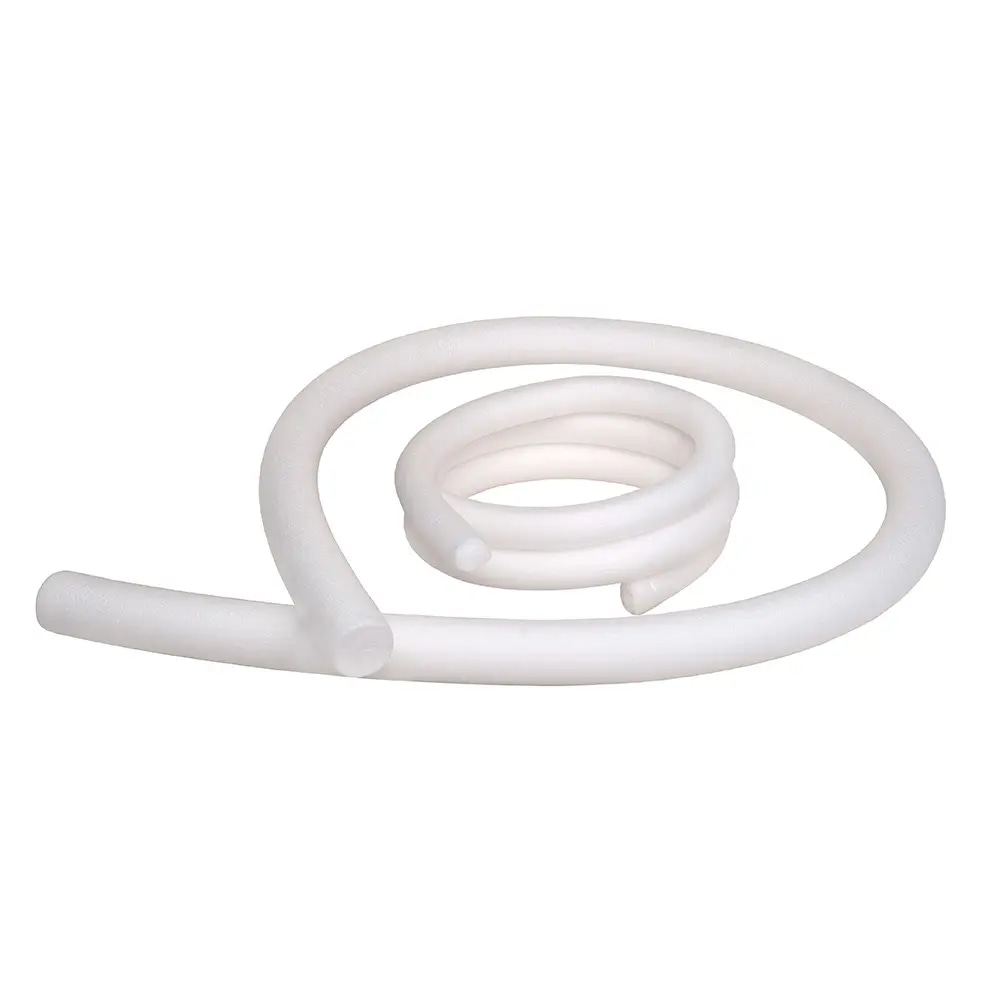
Joint Filling Cords | Closed-cell expanded polyethylene
Category: Joint sealing and waterstops
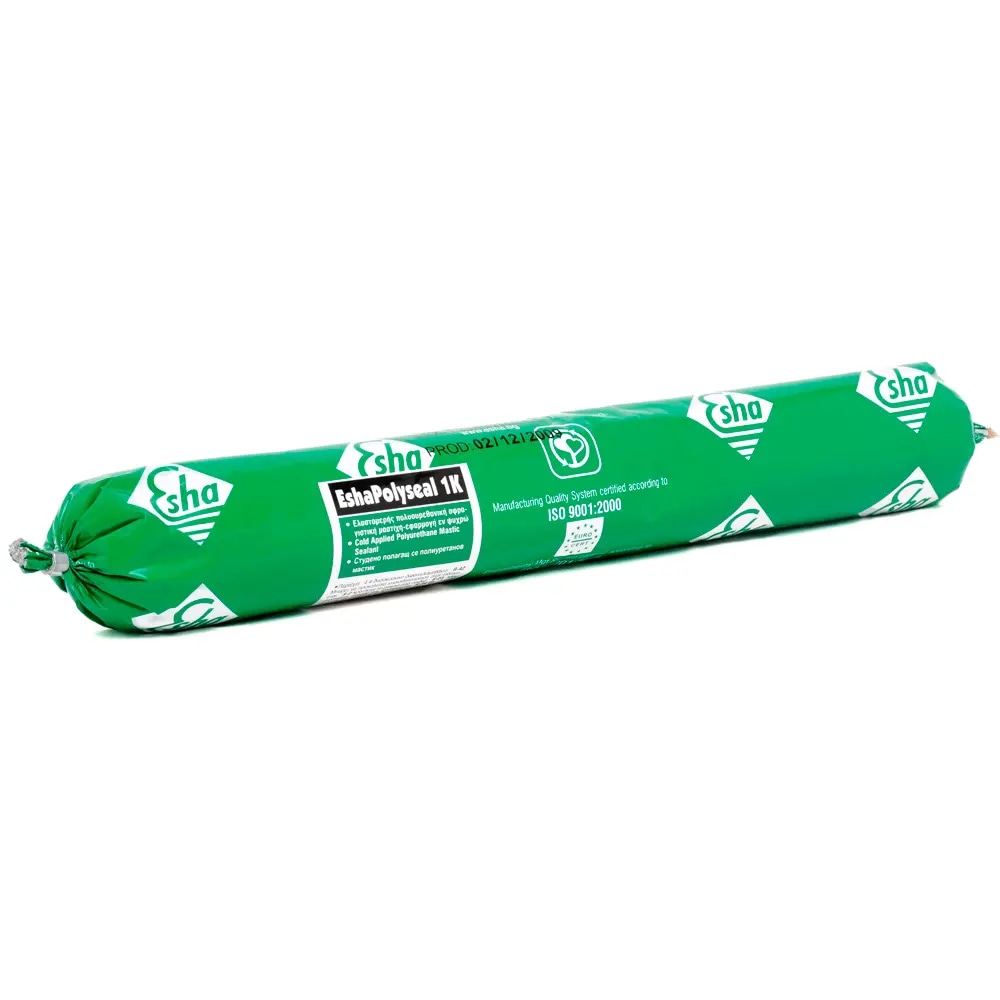
ESHAPOLYSEAL 1K | Elastomeric polyurethane joint sealant
Category: Joint sealing and waterstops
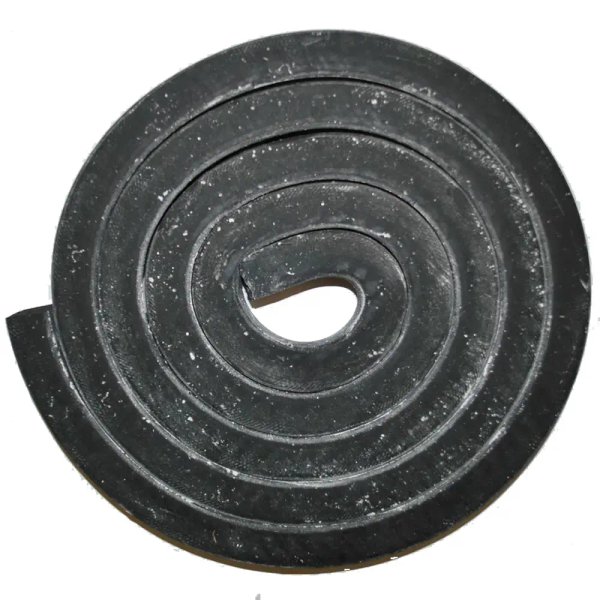
ESHAHYDROBENT | Water-swelling bentonite cord - waterstop
Category: Joint sealing and waterstops