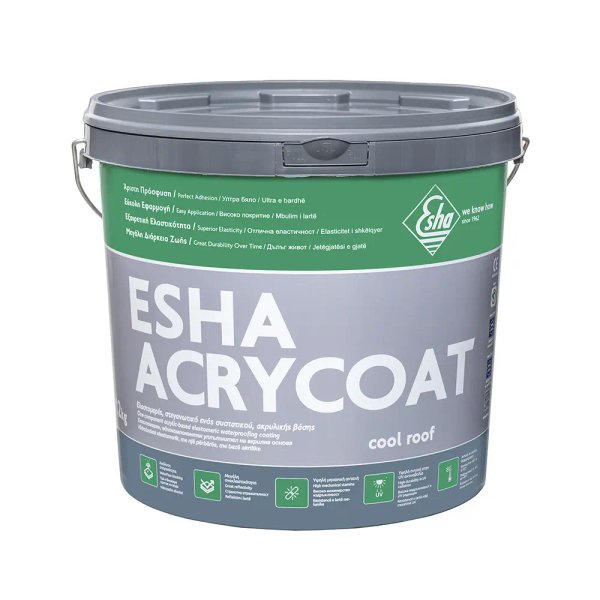
ESHA ACRYCOAT | White acrylic waterproofing compound
Liquid-applied membranesDescription
ESHA ACRYCOAT is an acrylic-based, elastomeric, water-soluble, organic-solvent-free liquid-applied coating for waterproofing. The final membrane is elastic and continuous, with an expansion and contraction capacity of at least 400 per cent — it does not shrink, crack or lose its elasticity under extreme temperature fluctuations, from -30°C to +100°C.
It is completely watertight: zero water permeability at 3 atm for 24 hours (DIN 1048) and no change after 7 days in standing water (ASTM D 870). In the Φ2 mm folding test at -10°C, it shows no cracking.
It bears the CE marking in accordance with EN 1504-2:2004 as an elastomeric protective waterproofing coating for flat roofs, basements, foundations and bridges, with the notified body Eurotest Control EAD, N.B. 2085.
The ARGYNET View:
Three features that no other liquid product in this category possesses — and all three are reasons to recommend it over polyurethane.
Firstly: it can be applied to a damp surface. The product data sheet itself explicitly states this. All polyurethane products require a completely dry substrate and a moisture content of less than 4 per cent. When renovating a flat roof after rain, or on a project that cannot afford a three-day wait, this is the difference between ‘it can be done’ and ‘we’ll have to wait’.
Secondly: it is non-flammable. Water-soluble, solvent-free; tools can be cleaned with water. It can be applied in an occupied building without the need for evacuation and without any fire safety concerns.
Thirdly — and most importantly for a specifier: it has genuine CE marking. A Declaration of Performance in accordance with EN 1504-2 issued by a notified body, where the CO₂ permeability is >170 m compared to the requirement of >50 — meaning three times the protection for the concrete against carbonation. It is not merely waterproofing; it is standard-certified protection for the load-bearing structure.
And the ‘cool roof’ is not just a claim: SRI 107, with 85 per cent reflectance and an emissivity of 0.86. The LEED threshold for flat roofs is SRI ≥78.
Overview
Key Features
Elasticity & strength
- Elongation at break of at least 400 per cent (ASTM D 412)
- Tensile strength of 2 mm film >20 N
- No cracks in a Φ2 mm fold at -10°C (ASTM D 522)
- Film resistance from -30°C to +100°C
Waterproofing
- Zero water permeability at 3 atm / 24 h (DIN 1048)
- No change after 7 days in standing water (ASTM D 870)
- Vapour-permeable — water vapour Sd <4.5 m, Class I
Thermal performance — cool-touch material
- Solar reflectance SR 85%
- Infrared emissivity e = 0.86
- Solar reflectance index (SRI) 107
Concrete protection (EN 1504-2)
- CO₂ permeability: Sd >170 m compared to the requirement of >50 m
- H₂O permeability: ≤0.091 kg/(m²·h⁰·⁵)
- Adhesion strength ≥2.0 N/mm² compared to the requirement of ≥1.5 under traffic conditions
Application & safety
- Water-soluble, non-flammable, user-friendly
- Can be applied even to a damp surface
- Not affected by detergents or dilute solutions of acids and bases
- Tools can be cleaned with water
Where it is used
Technical solutions where this material is used.
Related Products
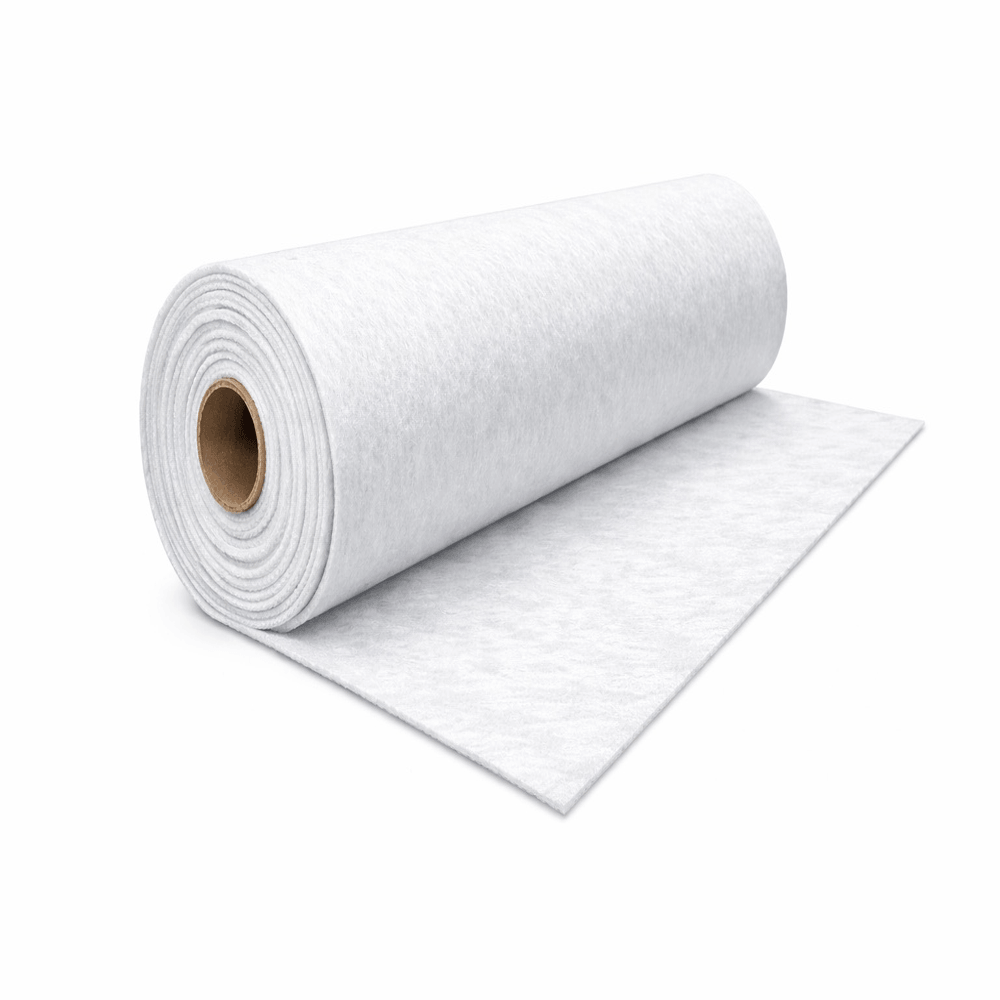
ESHA-DTF | Non-woven Polyester Fibre Geotextile
Category: Geotextiles
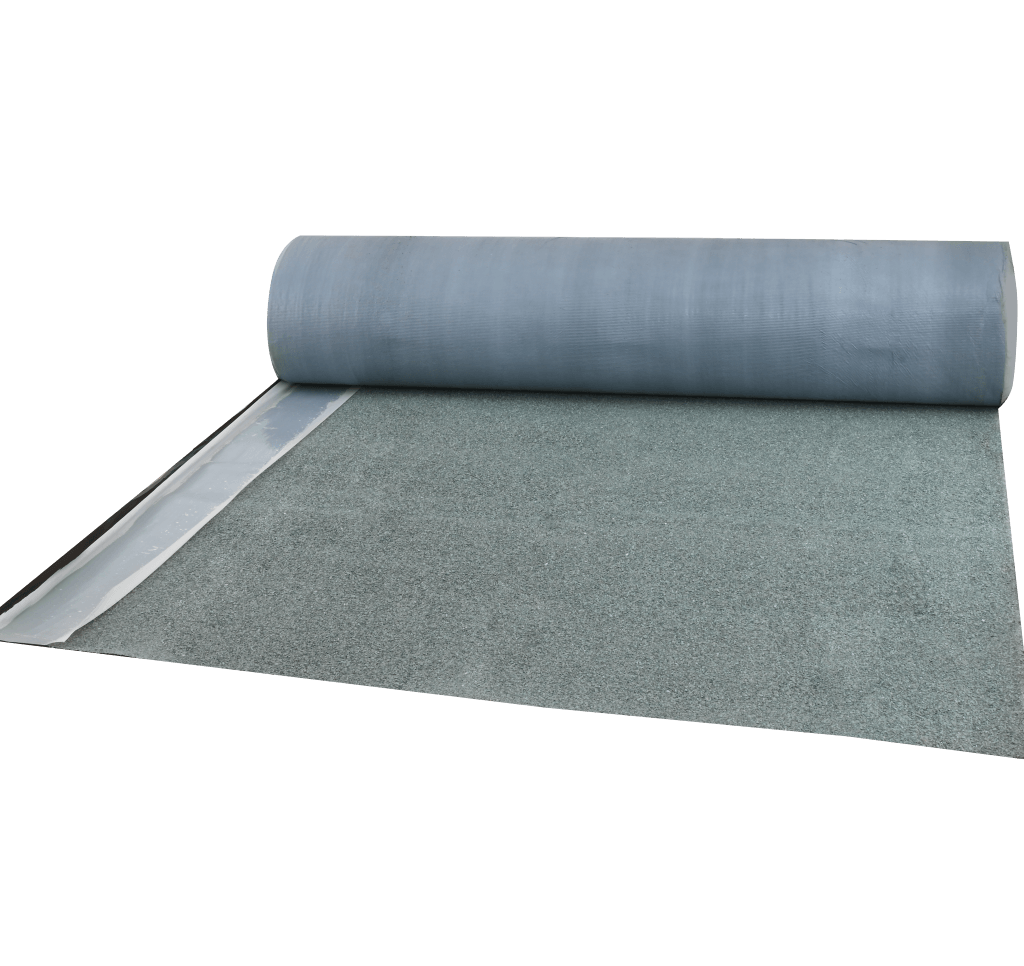
ESHASTICK PG | Self-adhesive bituminous membrane
Category: Specialised bituminous membranes
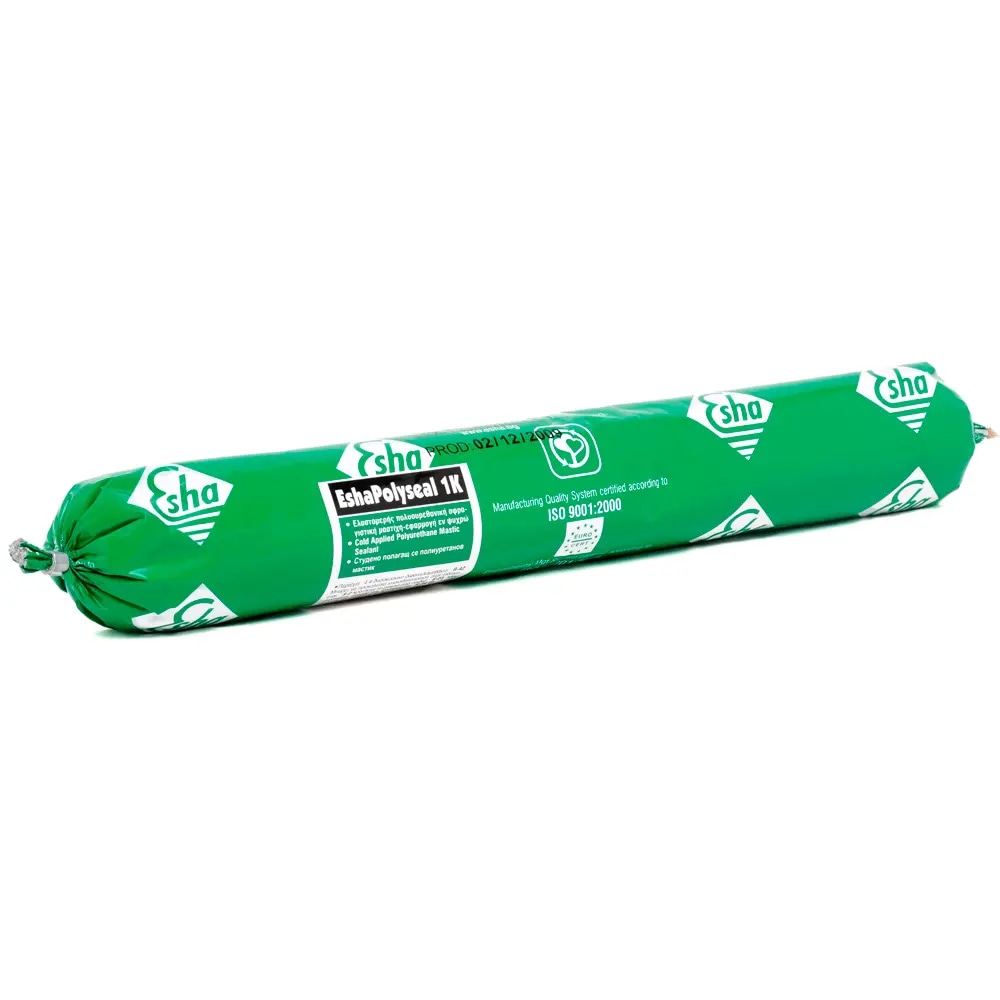
ESHAPOLYSEAL 1K | Elastomeric polyurethane joint sealant
Category: Joint sealing and waterstops
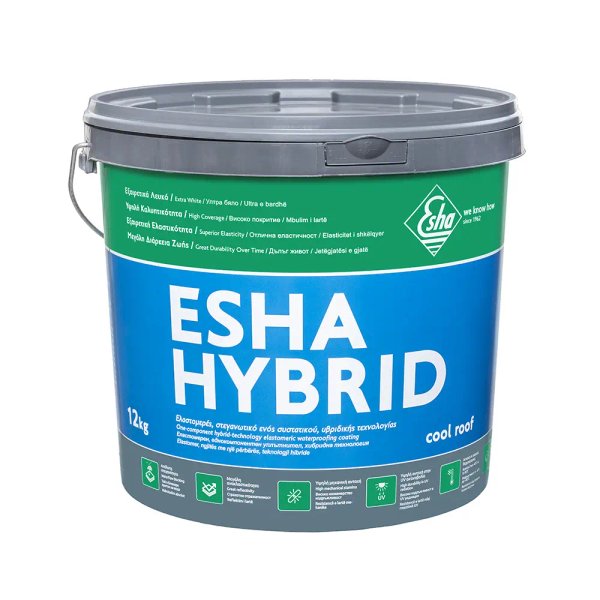
ESHAHYBRID | Elastomeric hybrid waterproofing compound
Category: Liquid-applied membranes