
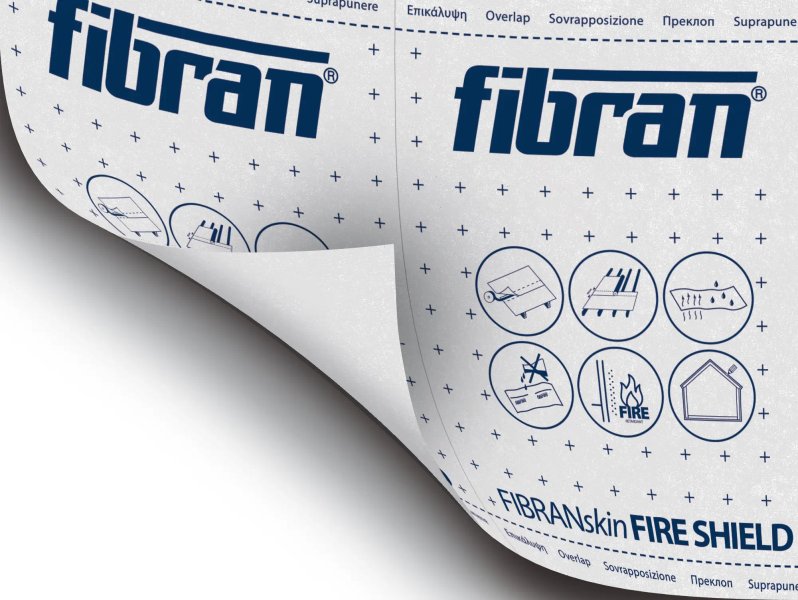
FIBRANskin FIRE SHIELD | Breathable membrane for pitched tiled roofs with fire-retardant properties
Pitched roof waterproofing and insulationDescription
FIBRANskin FIRE SHIELD is a breathable waterproofing underlay membrane, manufactured in accordance with EN 13859-2:2010, with a reaction to fire classification of B-s1,d0 in accordance with EN 13501-1. It combines very low water vapour diffusion resistance (Sd = 0.015 m) with W1-class watertightness and a water column of 1.4 m — it allows moisture to escape outwards whilst preventing water from entering. Mass 68 g/m², tensile strength 275 N/50 mm in both directions, retaining ~82% of its strength after artificial UV and heat ageing. Operates from -40 °C to +100 °C and is airtight. It is installed on the cold side, over the thermal insulation, on ventilated façades and pitched tiled roofs. Roll size: 1.50 × 50 m (75 m²).
The ARGYNET View
FIRE SHIELD is purchased for one reason: its B-s1,d0 classification. And that is precisely the detail the specifier needs to know before including it in the technical specification.
The footnote in the official TDS is categorical: the B-s1,d0 classification applies when the membrane is installed on stone wool or mineral fibre boards. When installed on timber, the same membrane is classified as D-s2,d2.
This is not a technicality — it is simply how EN 13501-1 works. The reaction to fire of a thin material is tested on top of its application substrate, because the substrate determines how much heat accumulates and how much fuel is supplied to the flame. A 175 μm membrane does not have its own ‘classification’ independent of the material beneath it.
Overview
Key Features
Reaction to fire
- Classification B-s1,d0 in accordance with EN 13501-1 on a stone wool or mineral fibre board substrate
- Classification D-s2,d2 on a timber substrate
- Smoke production index s1 and droplet index d0 in the first case
Moisture management
- Water vapour diffusion resistance Sd = 0.015 m (range 0.005–0.025), EN ISO 12572 (C)
- Water resistance class W1 (EN 1928, method A) — maintained even after ageing
- Water column 1.4 m (EN 20811)
- Airtight; air permeability ≤2 m³/(m²·h·50Pa) in accordance with EN 12114
- Maximum tensile strength MD: 275 N/50 mm (230–320)
- Maximum tensile strength XD: 275 N/50 mm (225–325)
- Elongation at maximum force: 15% MD / 18% XD
- Nail tear resistance: 41 N MD / 36 N XD
Durability
- After artificial UV and heat ageing (EN 1297 & EN 1296): tensile strength 225 N/50 mm in both directions — retention ~82%
- W1 watertightness retained after ageing
- Operating temperature range -40 °C to +100 °C
- Flexibility at low temperatures down to -40 °C (EN 1109)
- Maximum UV exposure prior to covering: 4 months
Related Products
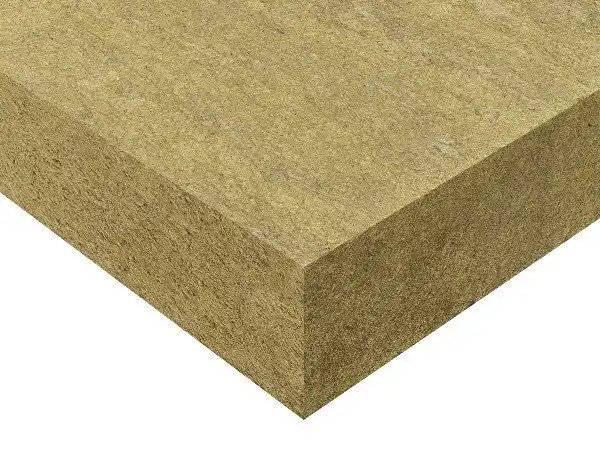
FIBRANgeo B-001 | Stone wool for masonry, roofing and dry construction
Category: Stone wool insulation
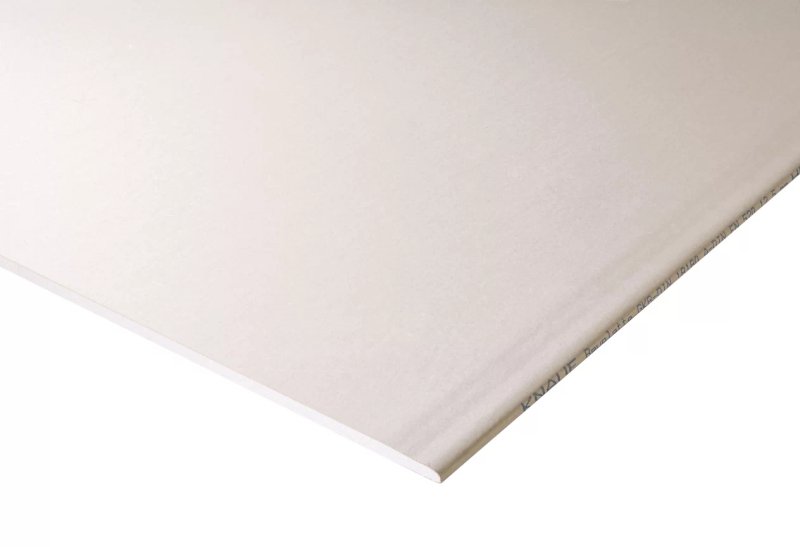
KNAUF TYPE A 12.5mm | Standard plasterboard
Category: Structural boards for dry construction
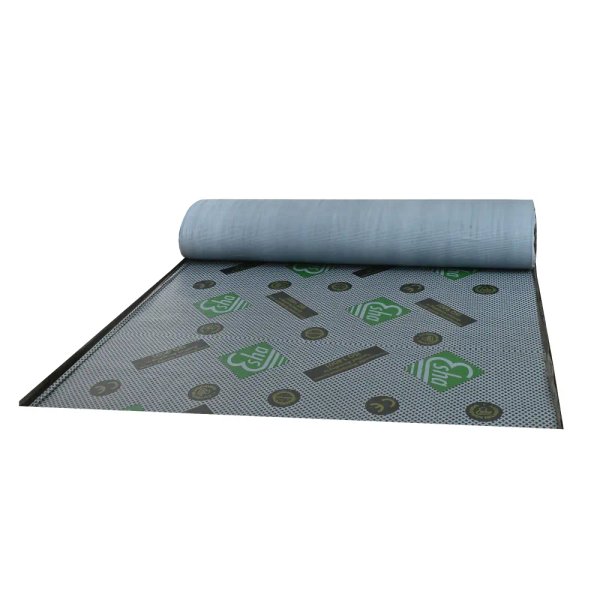
ESHAROOF | Bituminous membrane for pitched tiled roofs
Category: Pitched roof waterproofing and insulation
FIBRANskin BARRIER 2400 | Synthetic vapour barrier membrane
Category: Pitched roof waterproofing and insulation