
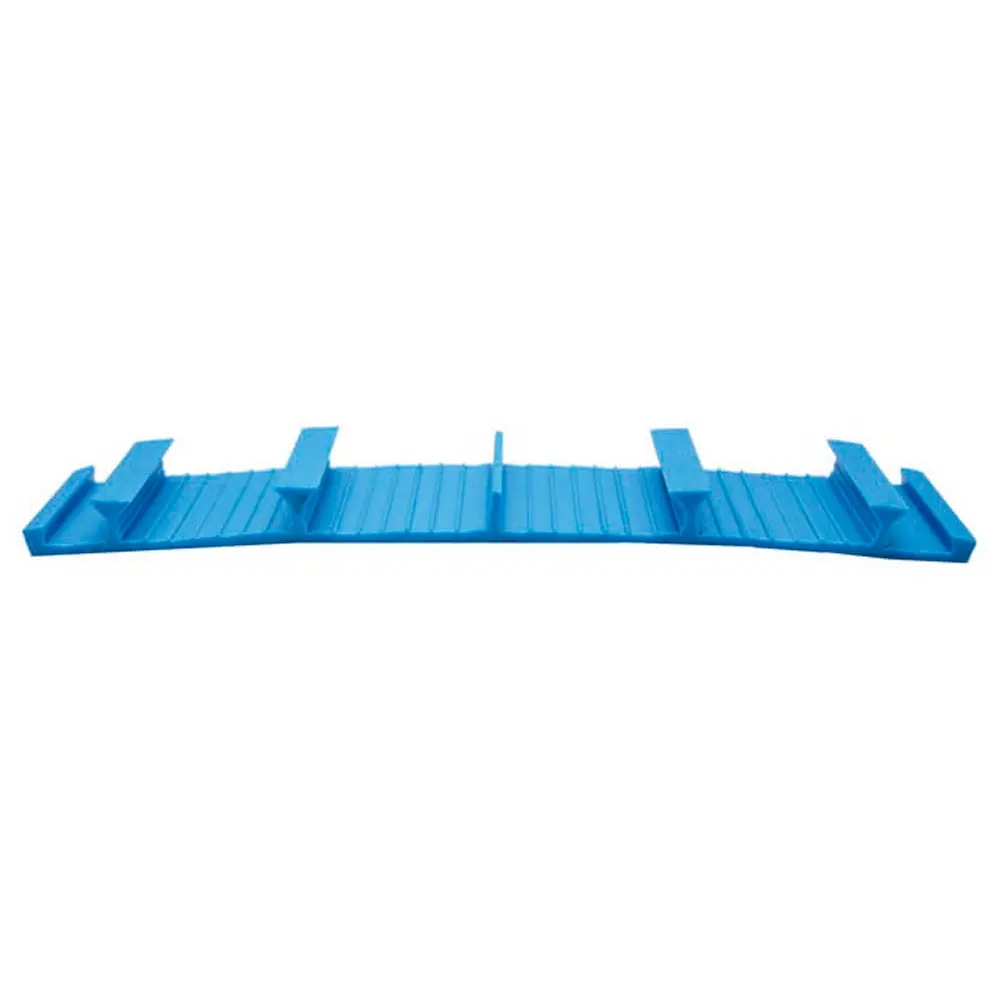
PVC Waterstop | Waterstop tapes for concrete joints
Joint sealing and waterstopsDescription
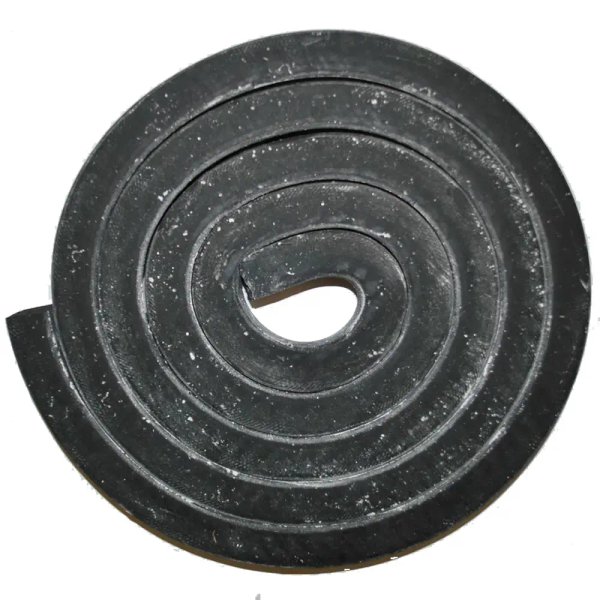
PVC Waterstops are flexible waterstops based on PVC-P (plasticised PVC), designed for waterproofing of construction and expansion joints in concrete structures. They are incorporated into the concrete during casting and seal the joint from within the cross-section, rather than on the surface. They have a density of 1.49 ± 0.03 g/cm³, a tensile strength at break of ≥10 N/mm², an elongation at break of ≥350 per cent and a Shore A hardness of 67 ± 5. They have been tested under hydrostatic pressure exceeding 20 metres of water column (report 651_24_DKK-01/05-03-2024) and are accompanied by a declaration of conformity in accordance with DIN 18541.
The ARGYNET View: The waterstop is one of the very few materials that cannot be repaired. It is installed once, within the concrete, and remains there for the lifetime of the structure — if the wrong type is selected, the only remedy is demolition. That is why the choice is made at the design stage, not at the time of ordering.
Two questions determine the code. First: does the joint move? If so, type E is required, with a hexagonal central ball that absorbs the movement; if not (a construction joint), Type C without a ball is sufficient. Second: where is it installed? Type I is positioned axially at the centre of the cross-section, with the reinforcement surrounding it; type E is fixed to the surface of the formwork and remains on the outer face. That is the entire system.
Overview
Key Features
Material & mechanical properties
- PVC-P raw material, density 1.49 ± 0.03 g/cm³ (ISO 2781:2008)
- Tensile strength ≥10 N/mm² (EN ISO 527-1-2)
- Breaking load 127 N (ELOT EN ISO 527-1-2)
- Elongation at break ≥350% — follows the movement of the structure
- Shore A hardness 67 ± 5 (DIN 53505)
Waterproofing performance
- Resistance to hydrostatic pressure exceeding 20 m water column
- Water absorption as low as 120 mg (maximum at +23°C)
Chemical resistance
- Continuous contact: water, seawater, sewage
- Temporary contact: dilute inorganic solutions, acids, mineral oils
Where it is used
Technical solutions where this material is used.
Related Products
VANDEX SUPER | Penetrating crystalline concrete waterproofing agent
Category: Cementitious waterproofing mortars
VANDEX PLUG | Fast-setting sealant for active leaks
Category: Cementitious waterproofing mortars
CERESIT CR 90 Crystaliser | Crystalline waterproofing mortar
Category: Cementitious waterproofing mortars
ESHAHYDROBENT | Water-swelling bentonite cord - waterstop
Category: Joint sealing and waterstops