
Thermal Insulation & Flat Roof Waterproofing
The flat roof is the most exposed part of a building: it is subjected to sun, rain, temperature fluctuations of tens of degrees and is often trafficable. Here you will find complete layer-by-layer details for conventional, inverted and trafficable roofs, from the vapour barrier to the top layer: thermal insulation with XPS, drainage slopes with sloped slabs, waterproofing with SBS/APP bituminous membranes, polyolefin membranes (TPO/POCB) or polyurea, ventilation, parapet details and ‘cool roof’ solutions to reduce the cooling load. Each solution explains why a particular material is chosen and what mistakes are avoided on site. ARGYNET specifies the entire system and calculates material requirements per m² for engineers and contractors.
Solutions (10)
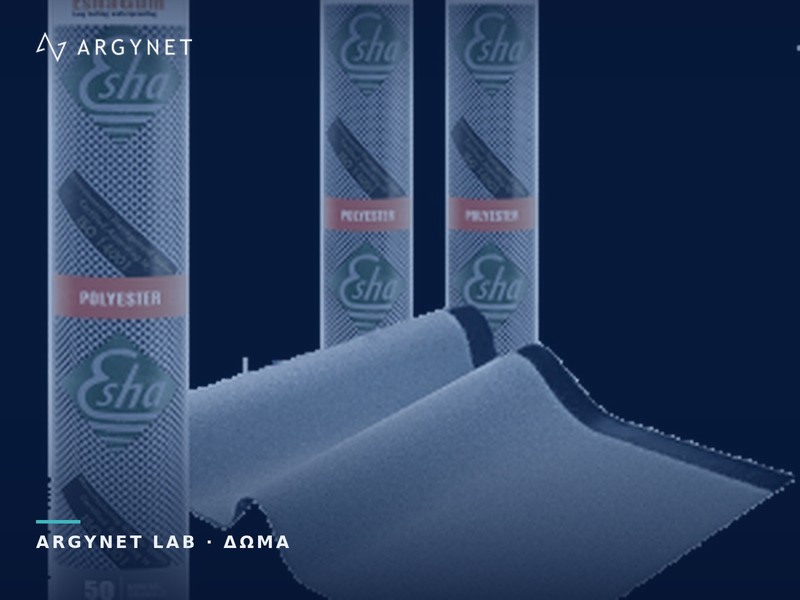
SBS −20 or APP −10?
The flexibility of bituminous membrane is not a cold-weather specification but a measure of service life. Sometimes −10, sometimes −20 °C, and sometimes APP rat
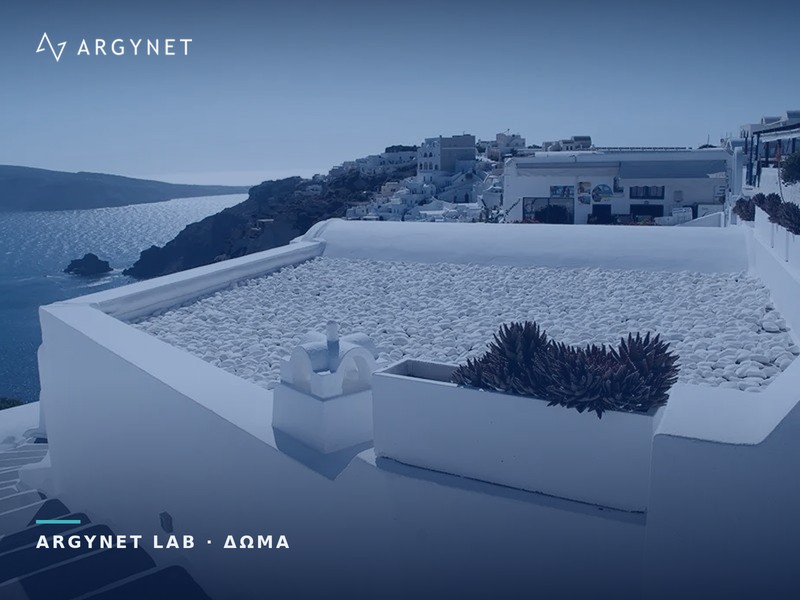
Inverted Roof: Thermal insulation above the waterproofing
Insulation laid on top of the waterproofing is constantly exposed to water — which is why only XPS can withstand it. Layering, intermediate layer, ballast and d
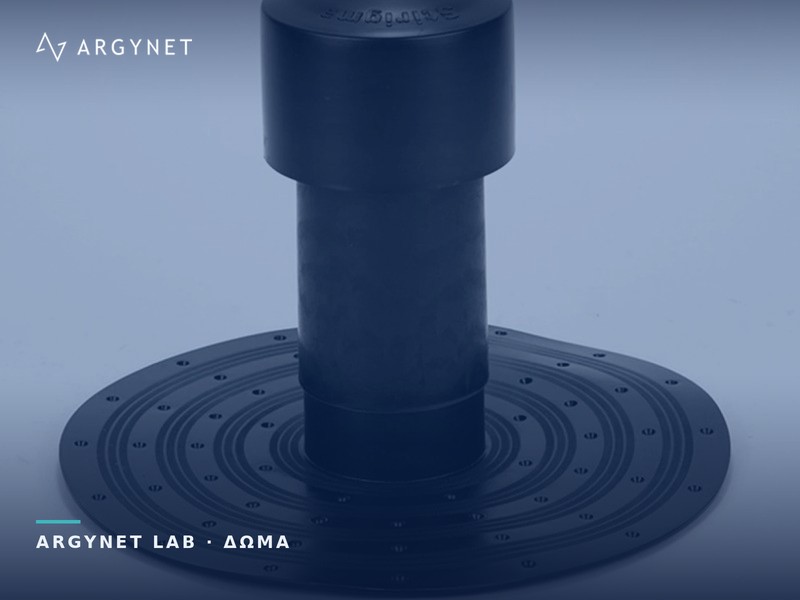
Roof Vent — Installation on a Flat Roof with Thermal Insulation and Bituminous Membrane
Without a vapour pressure release layer, the vent has nothing to ventilate. How many per m², where they are positioned and in what sequence of works.
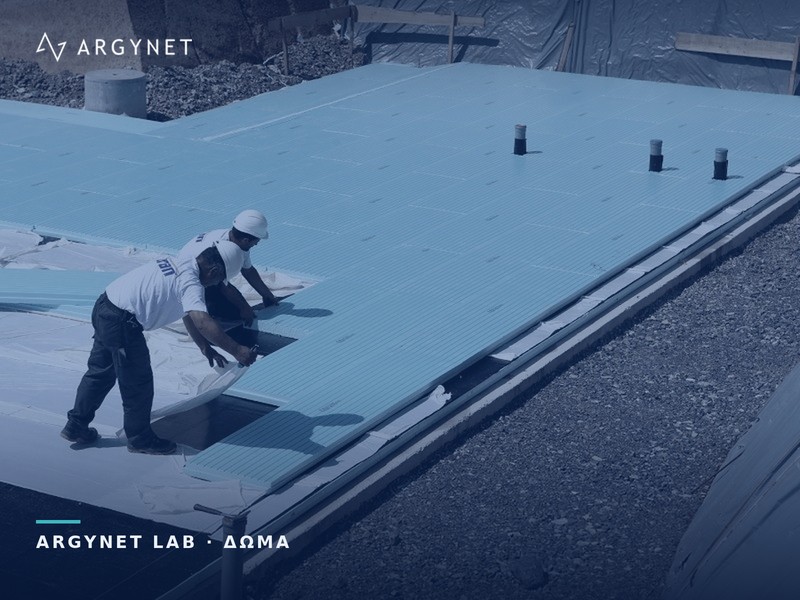
Tapered flat roof insulation
Slope and thermal insulation in a single layer, without sloped screed and no waiting period. Send us a floor plan — ARGYNET will draw up an installation plan.
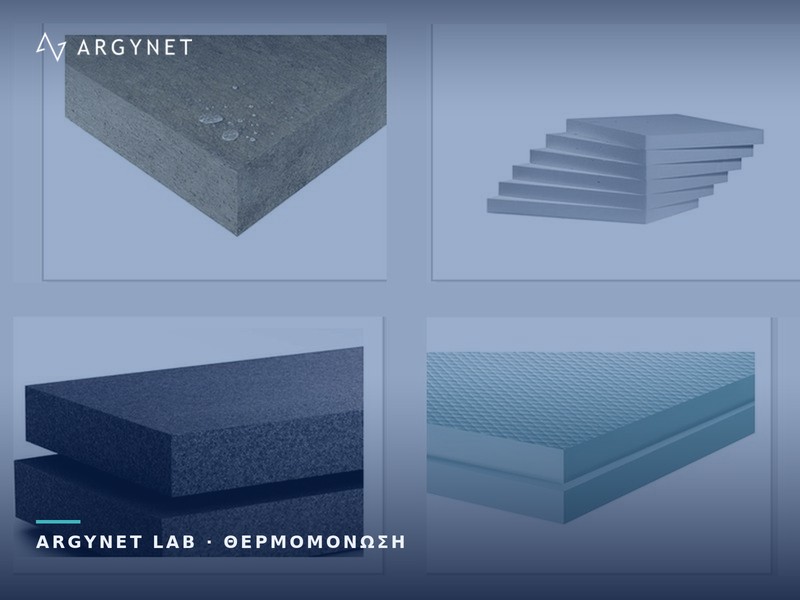
What is the correct thickness of insulation for my area? (Climate Zones)
Correct thickness = climate zone × λ coefficient. Umax per KENAK zone, comparison of insulation materials and the altitude rule.
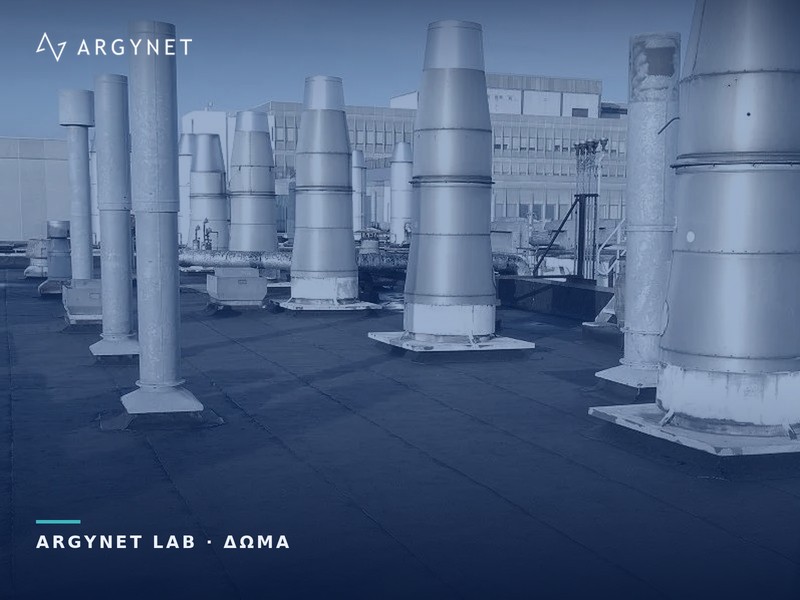
Waterproofing with polyolefin membrane
POCB polyolefin membrane laid over FIBRANxps with mechanical fastening: telescopic plugs without thermal bridges and a 20-year guarantee.
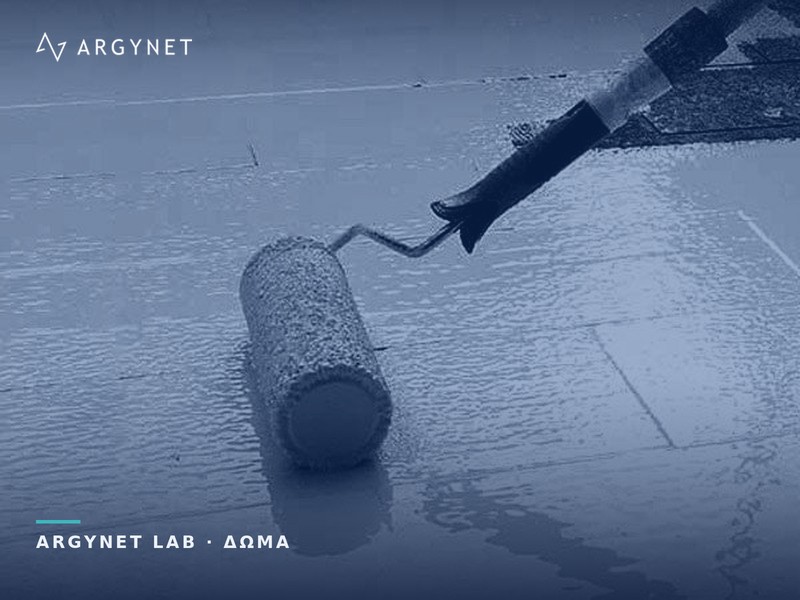
Technical Guide to Thermal Insulation and Waterproofing of the Flat Roof with Polyurea
Five stages, and only the last one involves waterproofing. Warm flat roof with cold polyurea — and the points where the application fails.
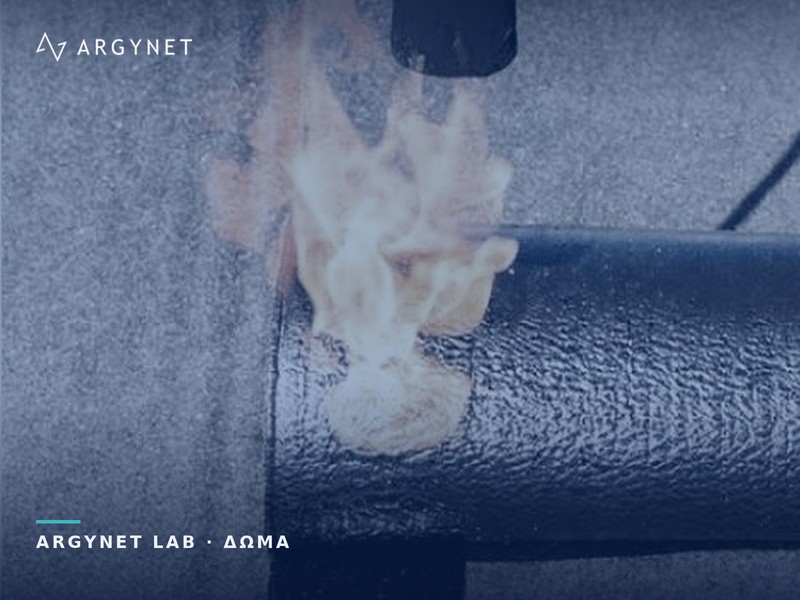
Technical Guide to Flat Roof Thermal Insulation and Waterproofing (with existing water drainage slopes)
In blind waterproofing, trapped air causes blisters to form. ESHAPERFO vapour pressure release layer, heat-sealed onto XPS and anchored.
Cool roof
A cool roof is defined not by its colour but by its reflectivity and emissivity. Liquid-applied coating or white membrane — and why it deteriorates.
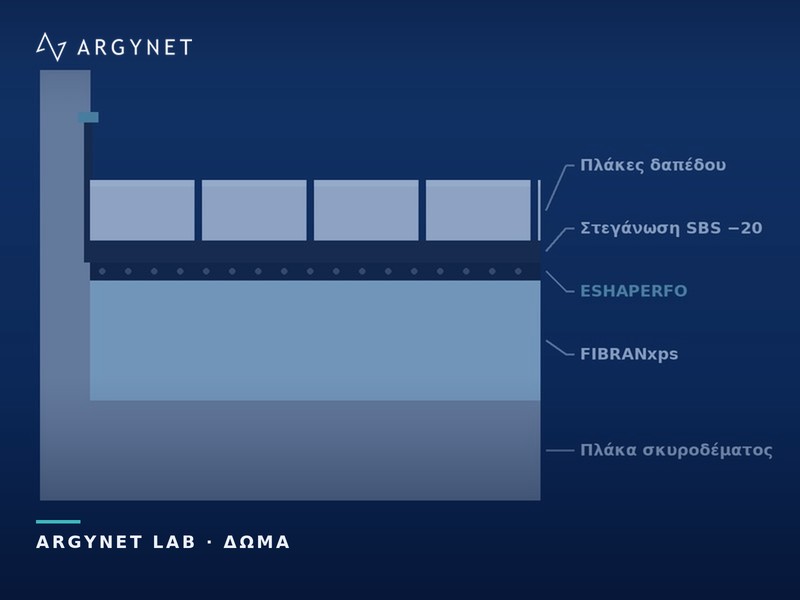
Waterproofing of a Trafficable Roof with Thermal Insulation & a Single Waterproofing Layer
Trafficable flat roof with a single waterproofing layer: the sequence of layers is just as important as the material itself. Slopes, vapour pressure release lay