Facades & External Wall Insulation: ETICS Systems and Finishes
The façade is usually the largest surface area of the building envelope and determines the building’s energy efficiency, fire safety and appearance. Here you will find comprehensive external thermal insulation composite systems (ETICS) using EPS, graphite-modified EPS, XPS or stone wool, material and thickness selection guides by KENAK climate zone, a waterproofing zone at the base of the façade, and high-impact-resistant systems. Also covered are finishing coats, such as silicone-based self-cleaning renders, dark, sun-resistant colours and exposed concrete finishes, as well as dry construction external cladding with glass-mat boards and double-wall insulation. ARGYNET specifies the entire system and calculates material requirements per m².
Solutions (16)
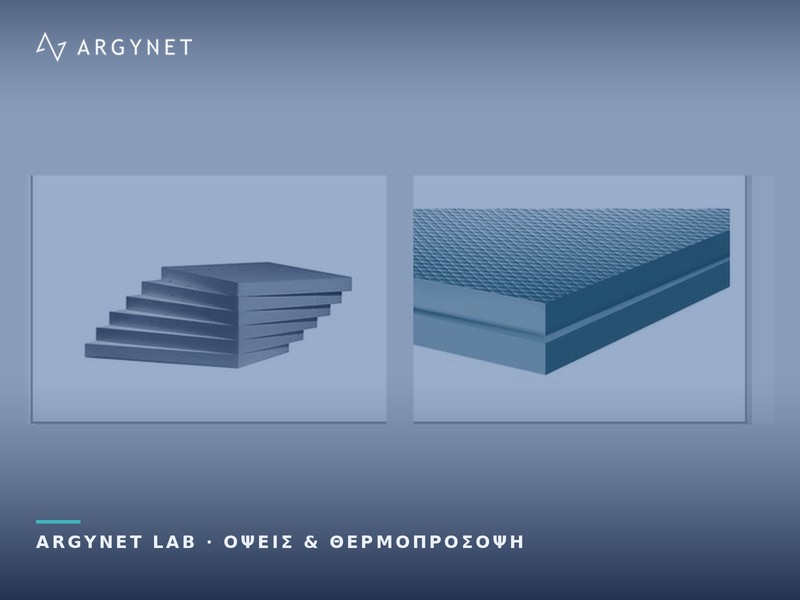
EPS vs XPS: Which should I choose for External Thermal Insulation? (Comparison Guide)
The question ‘EPS or XPS?’ is misguided. Each material has its own area of application — and the two costly mistakes are the exact opposites of one another.
Self-cleaning silicone-based renders
Rain runs off and washes away dirt; moisture dries out. Water-repellent W3 and breathable V1 combined — but always with CT 16 primer underneath.
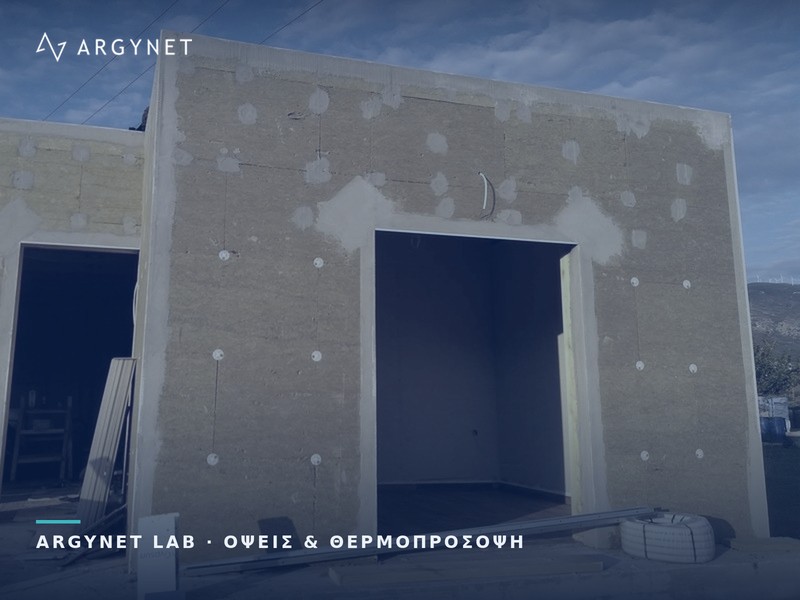
Why should I choose stone wool for external thermal insulation?
Stone wool does not require polystyrene adhesive and will not hold in place without plugs. The 4+1 advantages — and how to ensure you don’t miss out on them.
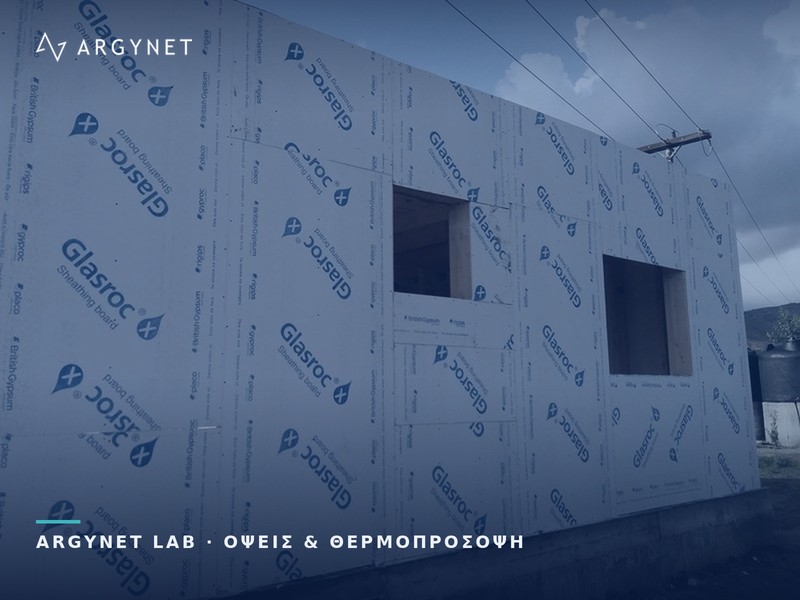
External cladding with GLASROC-X
GLASROC-X ‘seals’ the building from day one: non-combustible (A1), paper-free, and can remain exposed for up to 12 months before the final cladding is fitted.
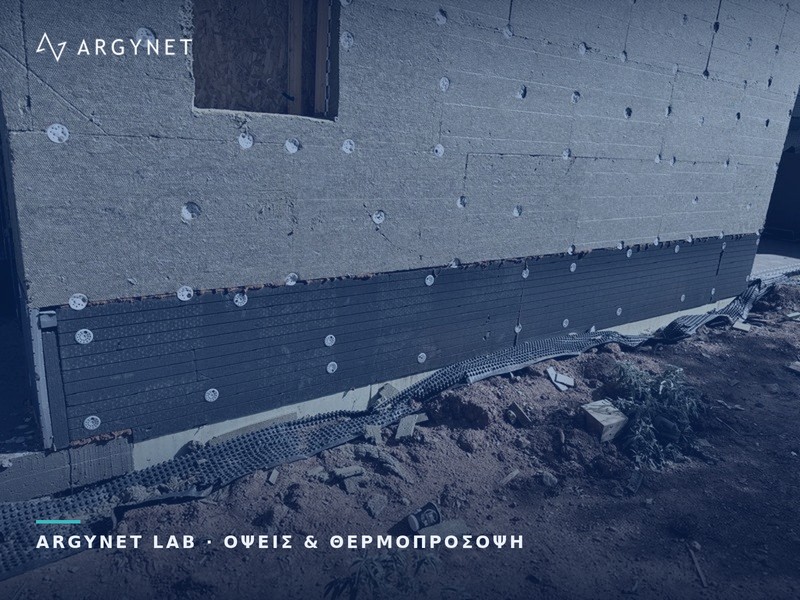
External thermal insulation of walls and pilotis using stone wool
Stone wool is not selected for the l: it is non-combustible and has a vapour permeability of m ≈ 1. However, this vapour permeability is lost if the render is a
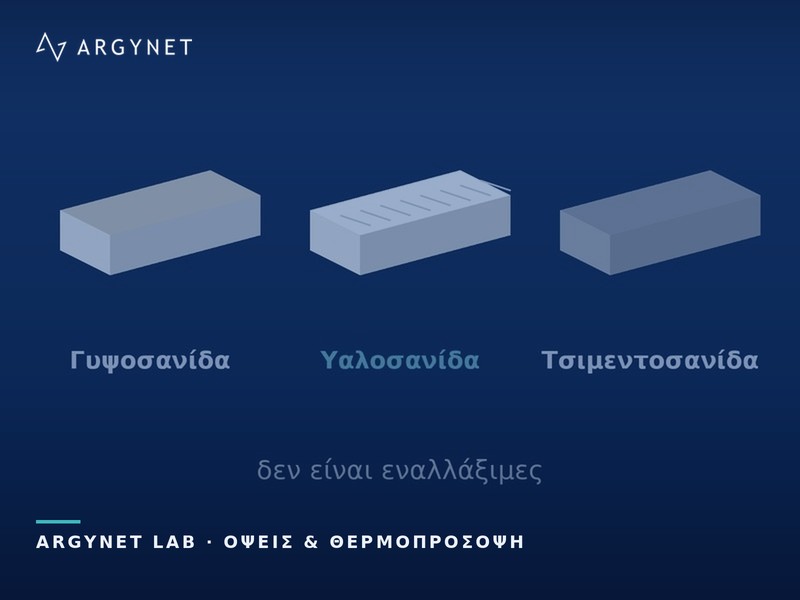
Applications of Glass-Mat Board in Modern Building Systems
Plasterboard, glass-mat board or cement board? They are not interchangeable. Where each is used — and the three key points that determine the façade.
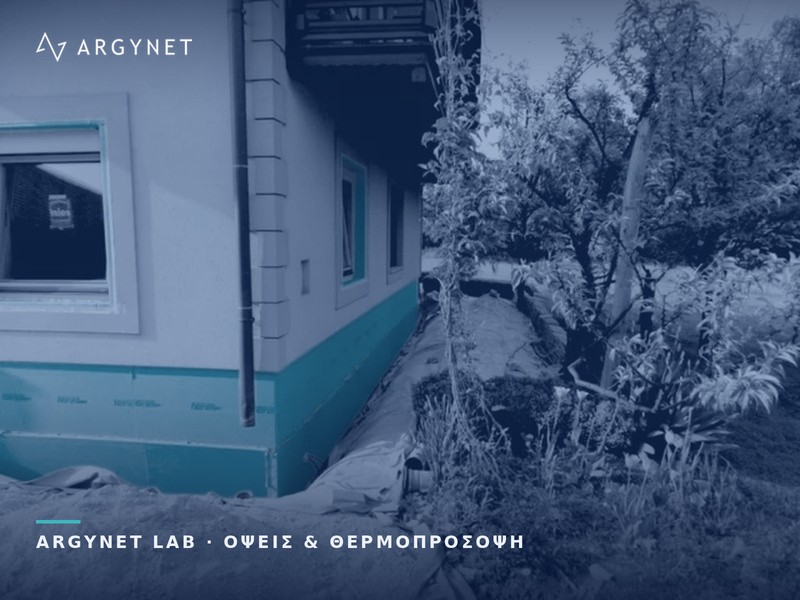
High-performance waterproofing zone on the external wall insulation
XPS does not absorb water — but it does not provide a waterproofing barrier. The base course consists of three layers, and no plugs are installed below ground l
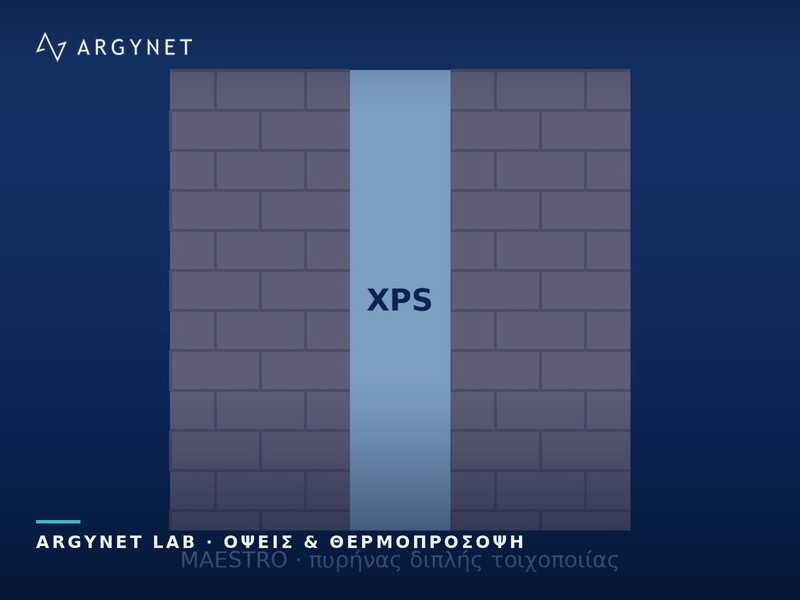
Applications & Solutions Guide: FIBRANxps MAESTRO
Double-skin walls, pitched tiled roof, internal insulation: three areas where the insulation must withstand loads and moisture. And which board to use for each.
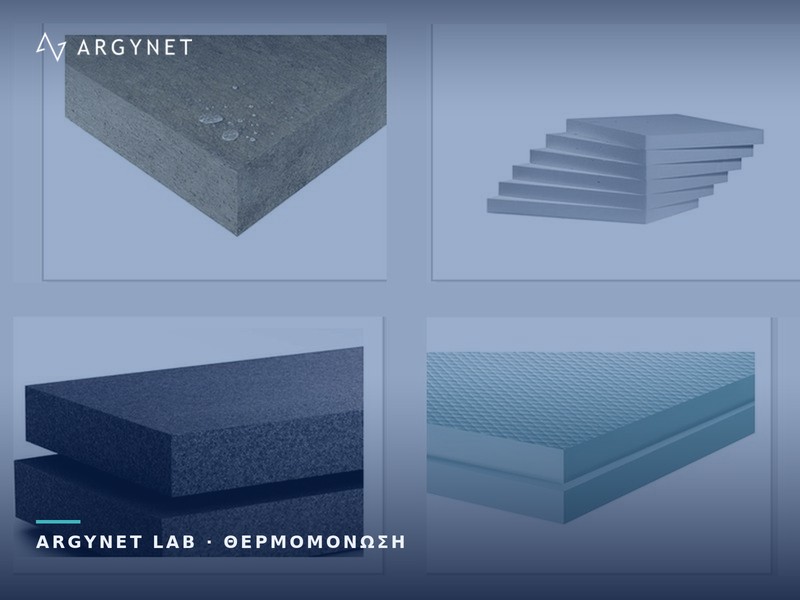
What is the correct thickness of insulation for my area? (Climate Zones)
Correct thickness = climate zone × λ coefficient. Umax per KENAK zone, comparison of insulation materials and the altitude rule.
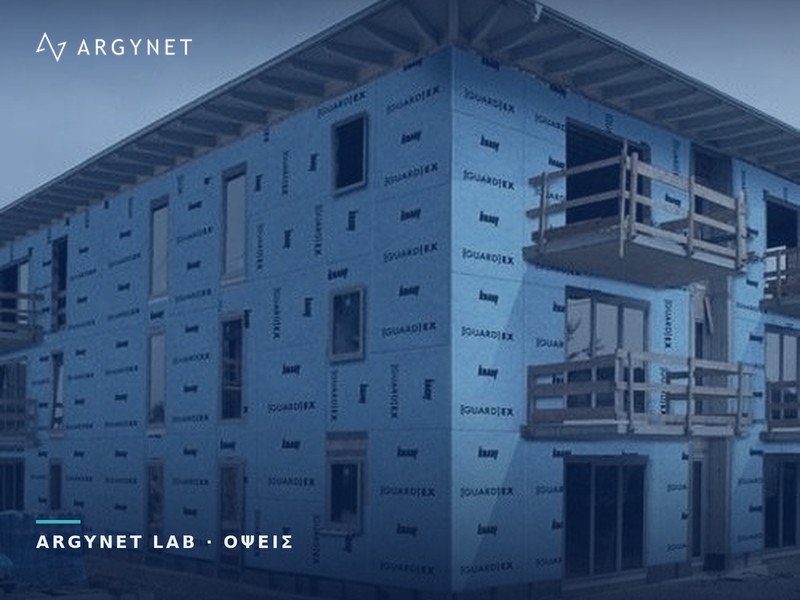
Systems featuring GUARDEX®: the glass-mat board that encloses the framework and supports the external wall insulation
When to use glass-mat board and when to use cement board in the building envelope, which insulation to use for each façade zone, and the three points that are o
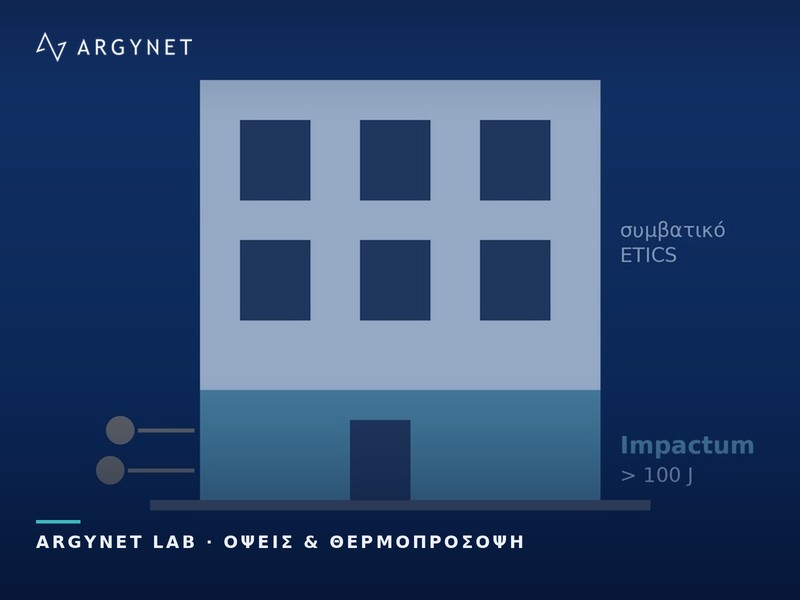
ETICS system resistant to impact, abrasion and mechanical stress
It is not necessary to ‘clad’ the entire building with Impactum: only the impact zones — ground floor, entrances and corners. Impact resistance in excess of 100
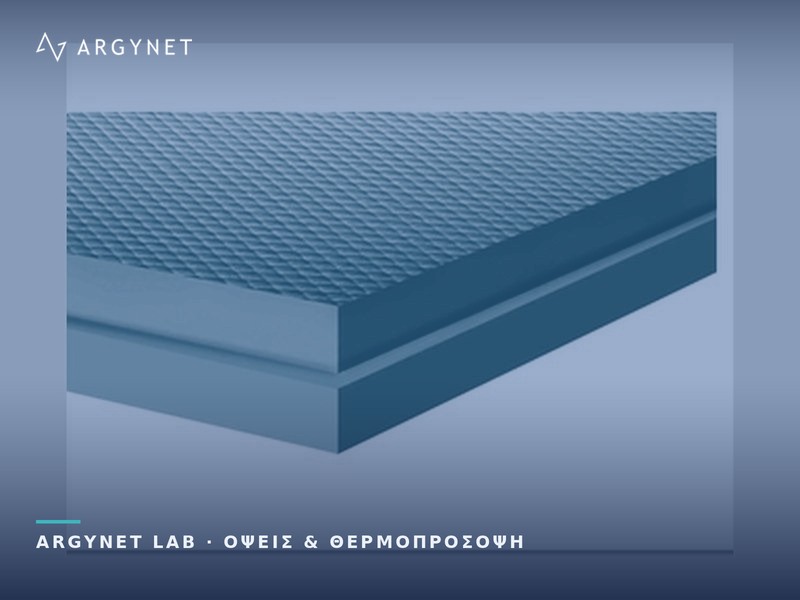
ETICS system with XPS
The only external wall insulation that does more than just improve energy efficiency: rigid XPS that increases the load-bearing capacity of the masonry by over
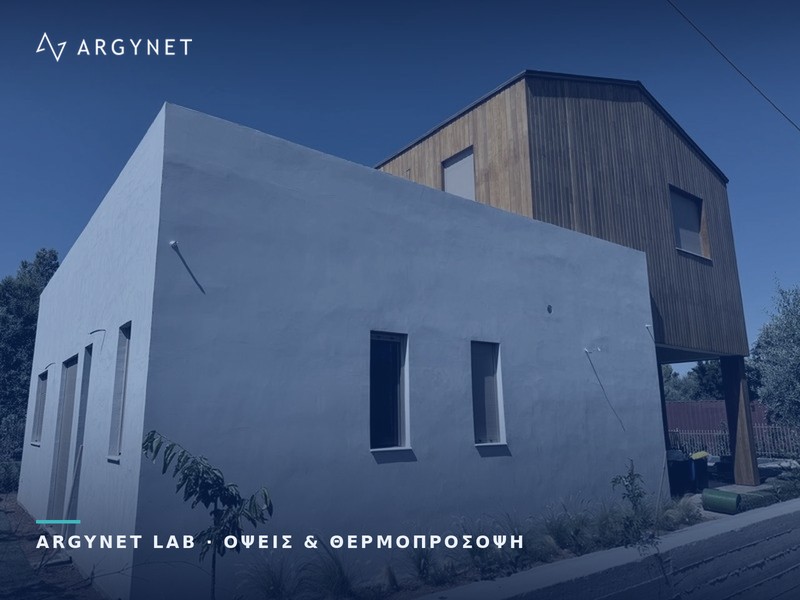
Ceretherm Visage Concrete System Technical Guide
A fine-grained finish leaves nothing to chance: the cost of the exposed concrete finish lies in the base layer, not in the CT 760.
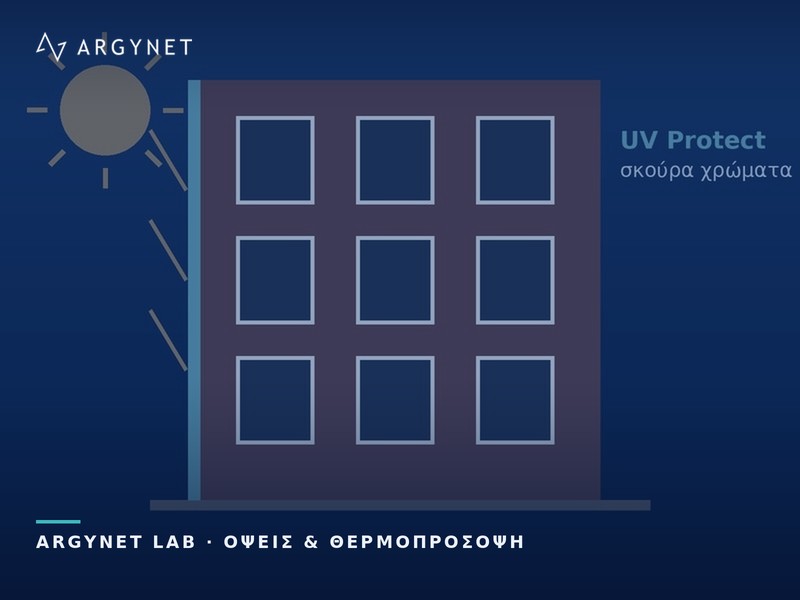
Ceresit Ceretherm Solar Protect External Thermal Insulation: Dark Colours that Withstand the Sun
Dark colours are the worst enemy of external wall insulation. Solar Protect makes them possible — with HBW, every shade can be controlled.
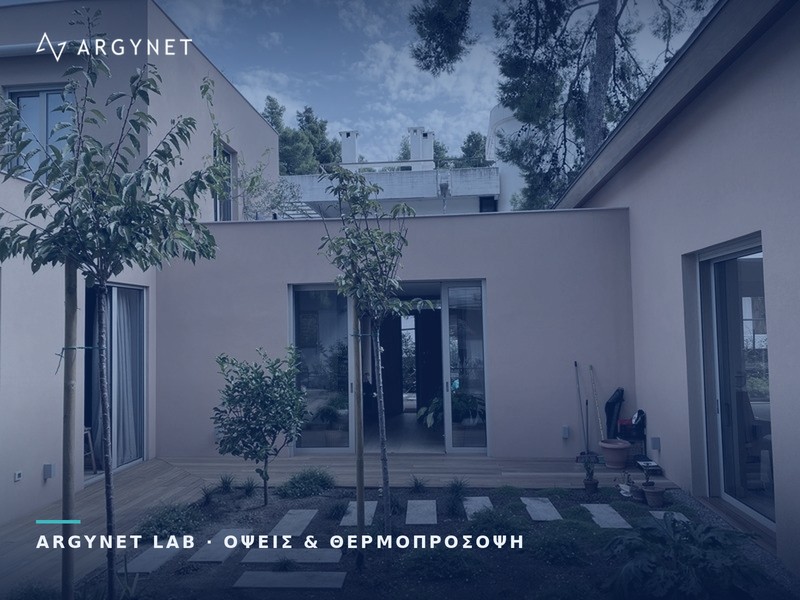
CERESIT POPULAR External Thermal Insulation
In external wall insulation, the U-value is achieved through thickness — and EPS offers the most millimetres per euro. The reference system.
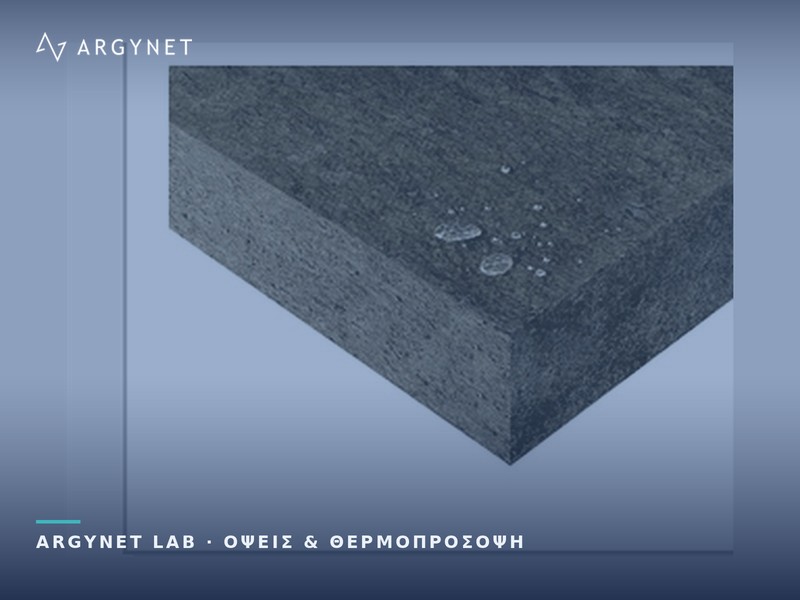
CERESIT CERETHERM WOOL CLASSIC External Thermal Insulation
Stone wool is non-combustible — however, the system only achieves an A2 rating when used with mineral or silicone-based render. The render is not an aesthetic c